
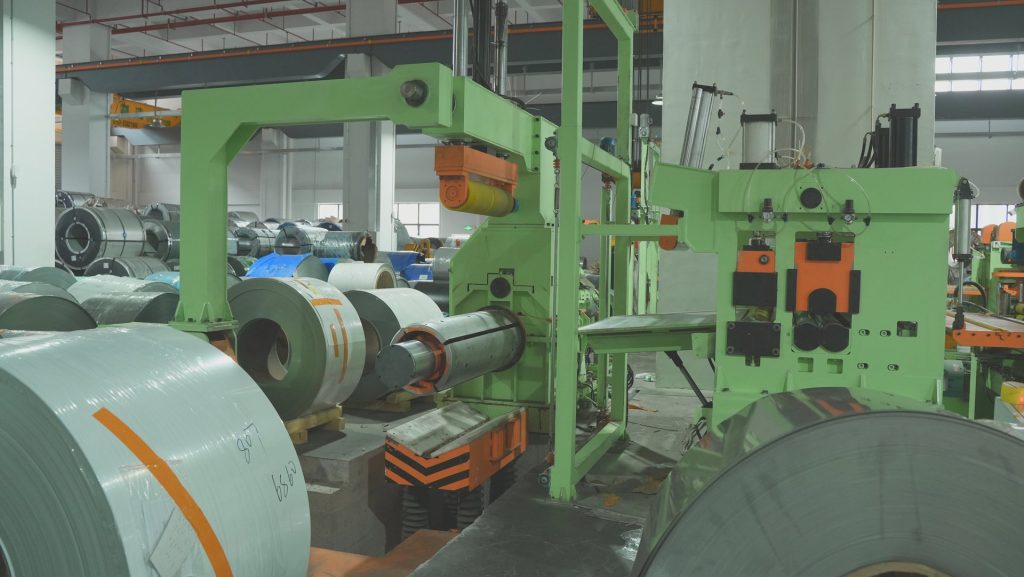
 Flying Shear Cut-to-Length Line Output Planning for Mixed Orders
A mixed-order planning method that separates theoretical running output from accepted sheets per shift and identifies the real production constraint.
Read article
Cut-to-Length Line Guides

Featured insight
How Does a Flying Shear Work in a Cut-to-Length Line?
A practical explanation of how length measurement, speed synchronization, moving shear cutting, conveying, and stacking work together in a Flying Shear cut-to-length line.
Read article
Flying Shear Cut-to-Length Line Output Planning for Mixed Orders
A mixed-order planning method that separates theoretical running output from accepted sheets per shift and identifies the real production constraint.
Read article
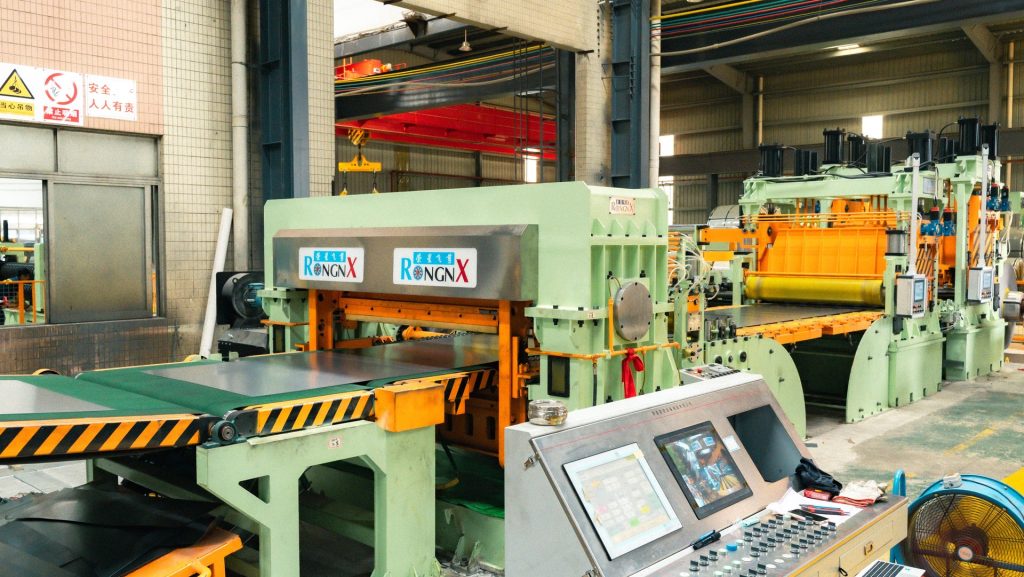 Tension Leveling vs Roller Leveling: What Coil Buyers Should Specify
Tension leveling and roller leveling both improve strip flatness, but they use different deformation strategies and belong in different process decisions.
Read article
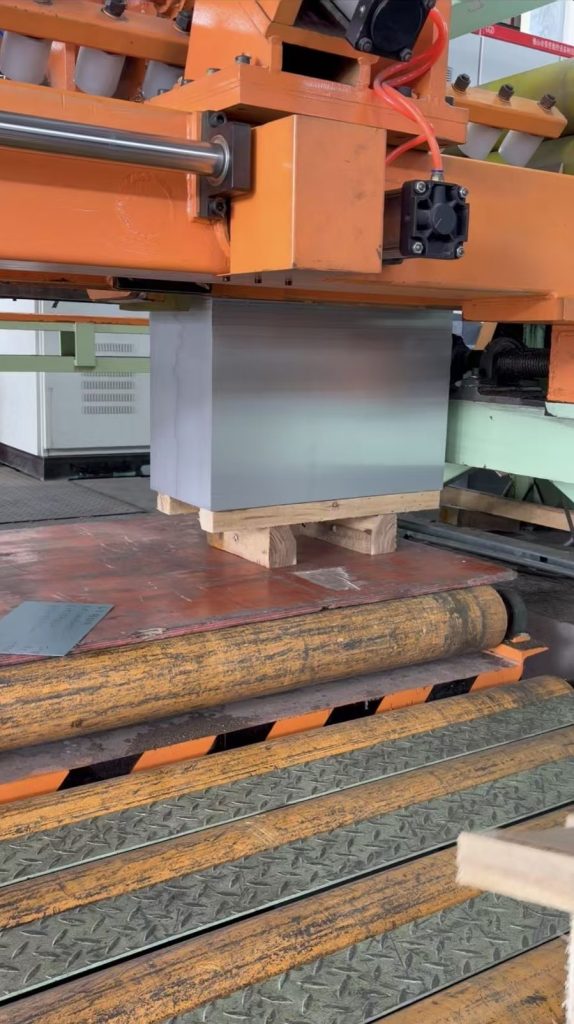 Flying Shear Cut-to-Length Line Acceptance Checklist: From Test Coil to Finished Stack
A useful acceptance test follows representative material from coil loading to a measured, protected and traceable finished stack.
Read article
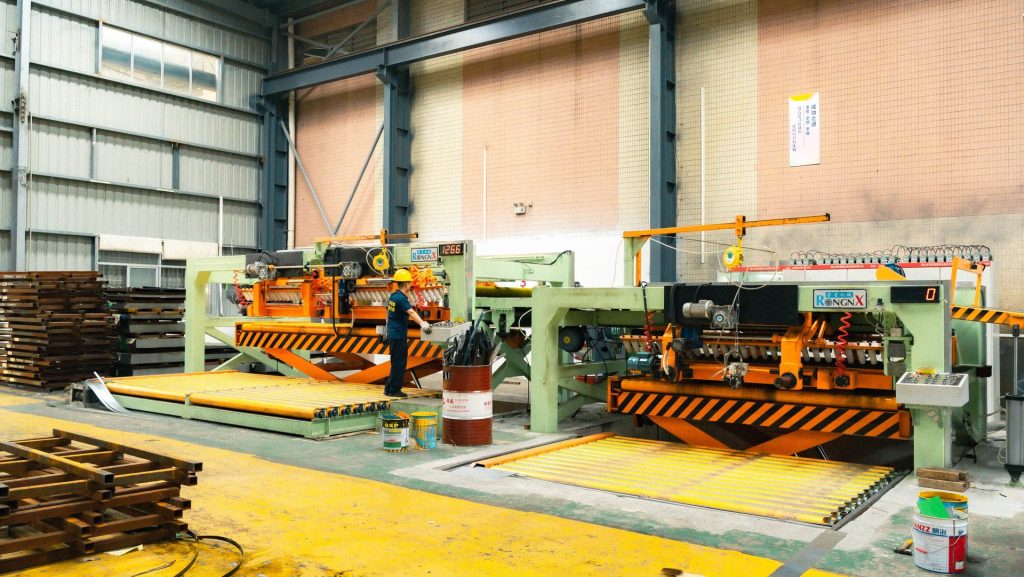 Flying Shear Cut-to-Length Line Layout: Space, Foundations, Utilities and Material Flow
A workable line layout connects coil receiving, production, stack removal, utilities and maintenance access before installation begins.
Read article
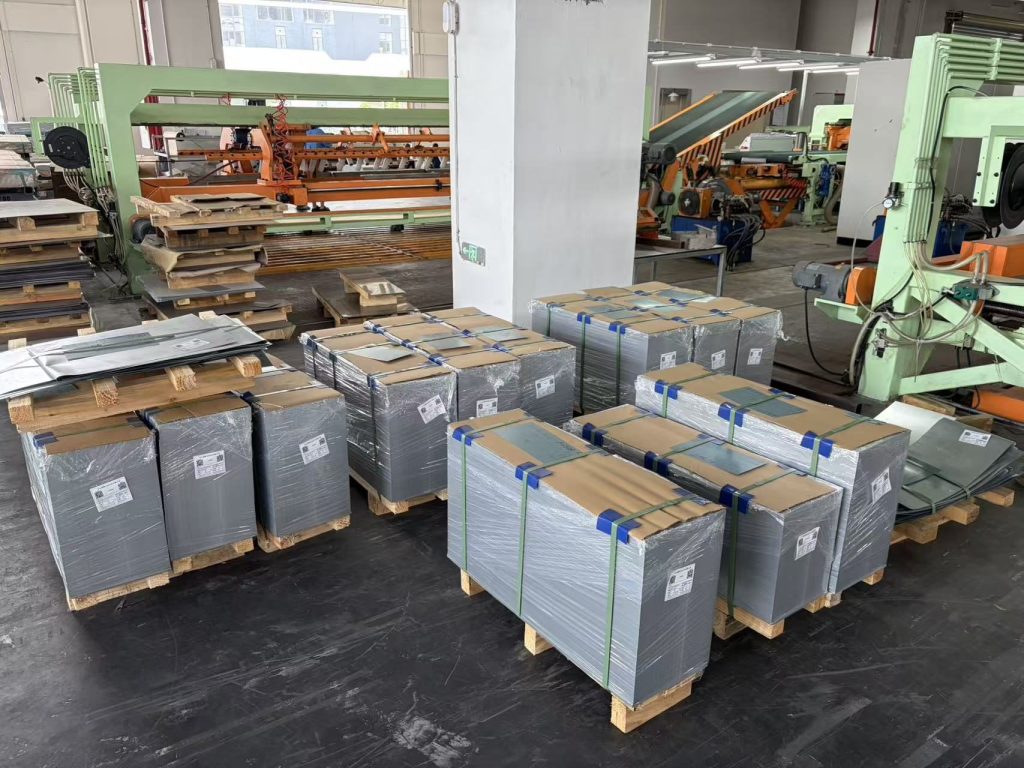 Surface Protection for Stainless, Aluminum and Coated Coil on a Flying Shear Cut-to-Length Line
Surface-sensitive sheet needs controlled contact from coil entry to the finished stack, followed by suitable bundle protection.
Read article
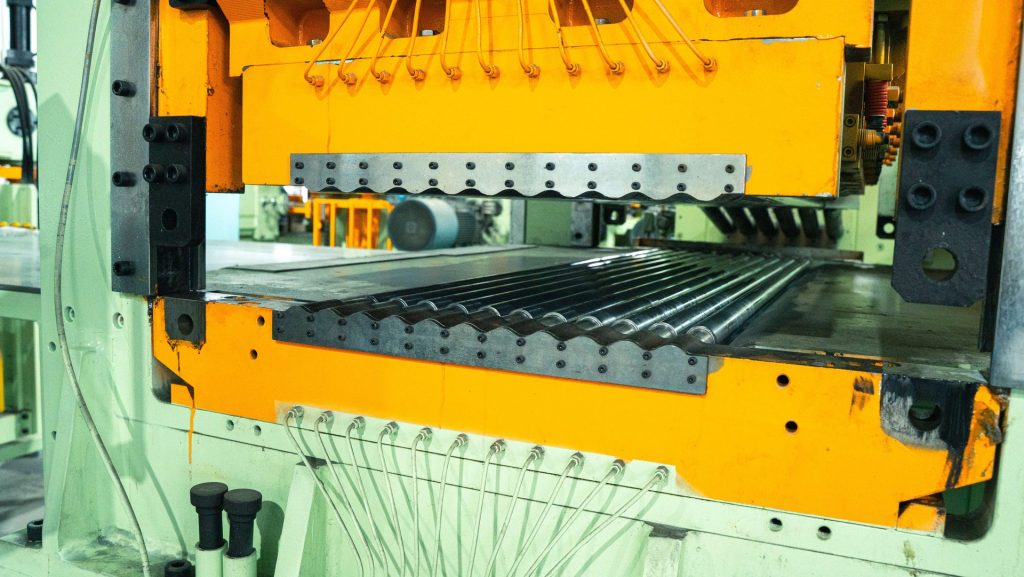 Blade Clearance and Cut-Edge Quality in a Flying Shear Cut-to-Length Line
Blade clearance is one part of a controlled cutting system. Alignment, blade condition and motion must be reviewed together.
Read article
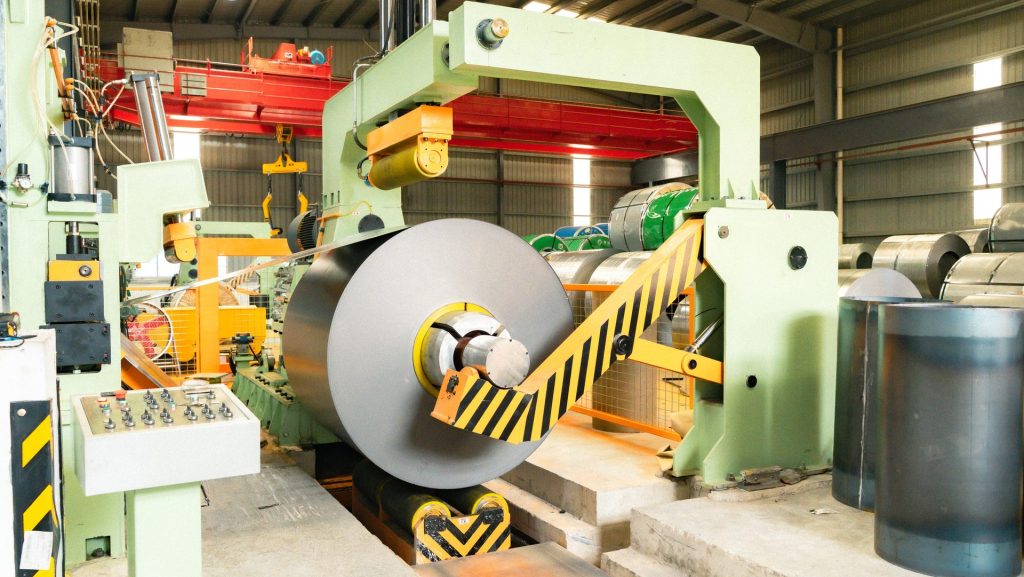 How Leveling Determines Flatness in a Flying Shear Cut-to-Length Line
Sheet flatness starts before the cut. See how incoming coil condition, leveler adjustment and stable material flow work together.
Read article
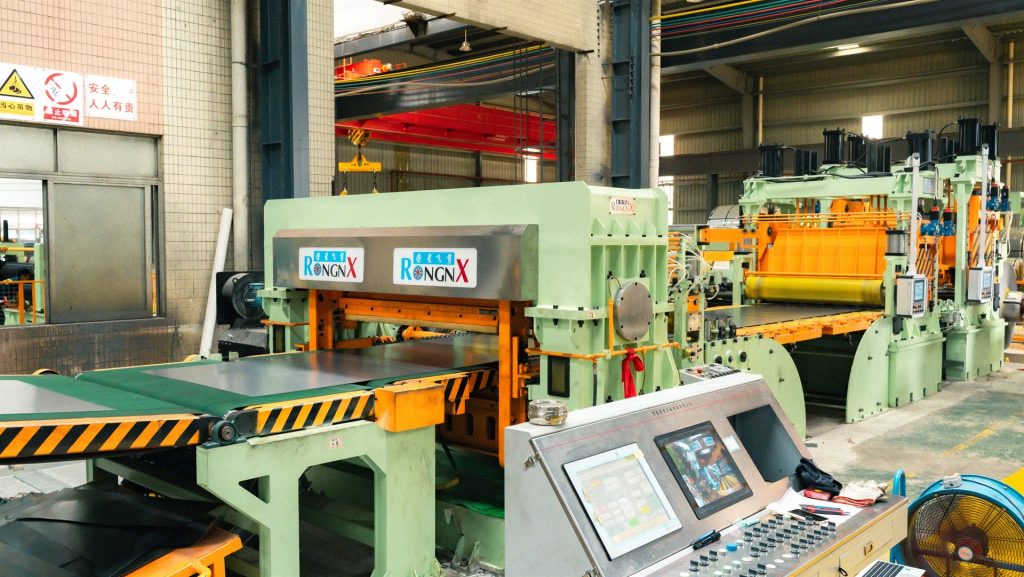 From 80 to 100 m/min: Turning a 25% Line-Speed Gain into Usable Output
Moving from 80 to 100 m/min raises theoretical line speed by 25%. Converting that gain into good sheets requires an integrated production flow.
Read article
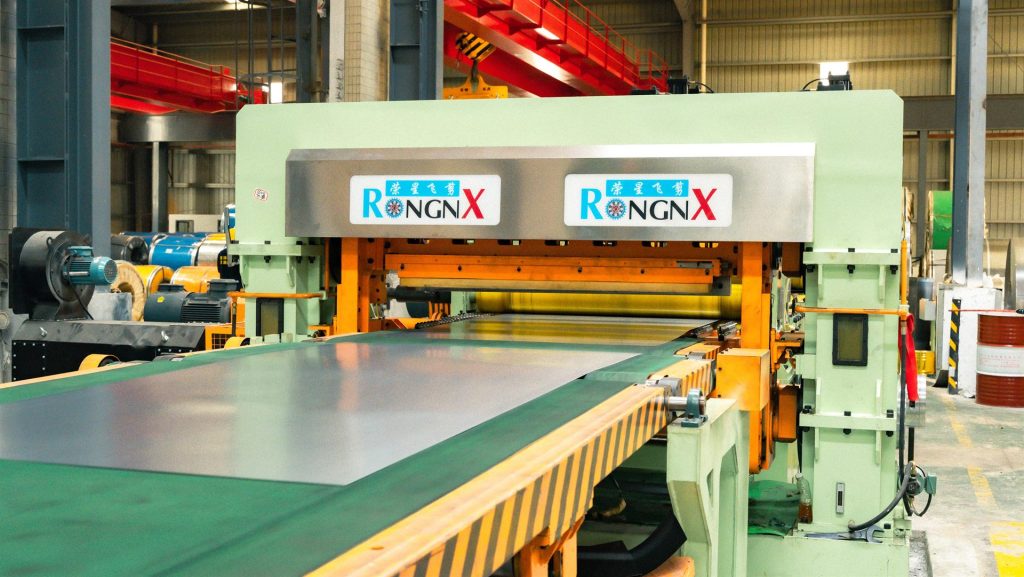 What 100 m/min Really Requires in a Servo Flying Shear Line
A 100 m/min rating is meaningful only when measurement, motion control, the flying-shear head and downstream handling remain coordinated.
Read article
Need a line configured around your coil specification?
Send your material, thickness, width, target speed, and output requirement. The RONGXING engineering team will help review the right configuration.