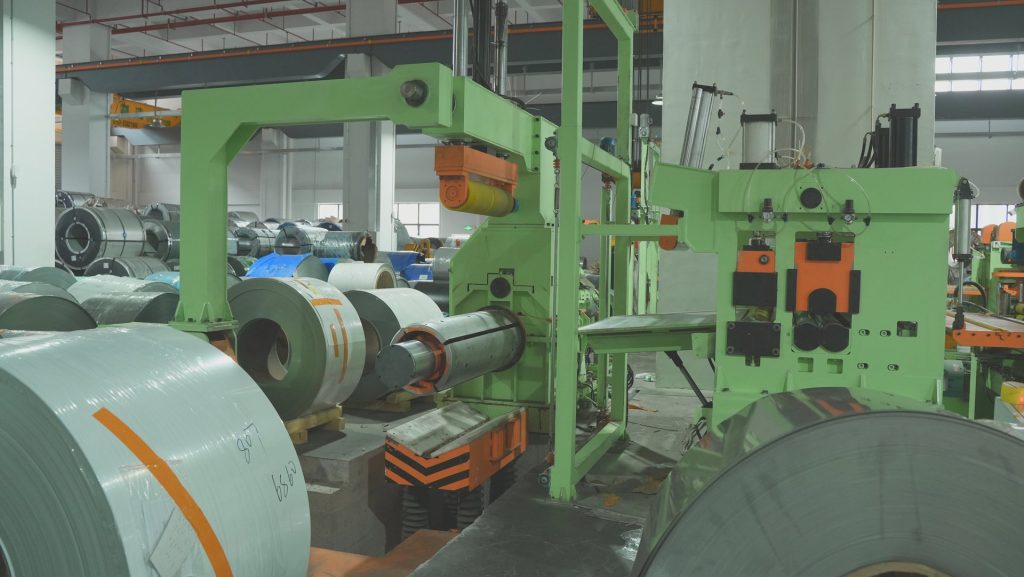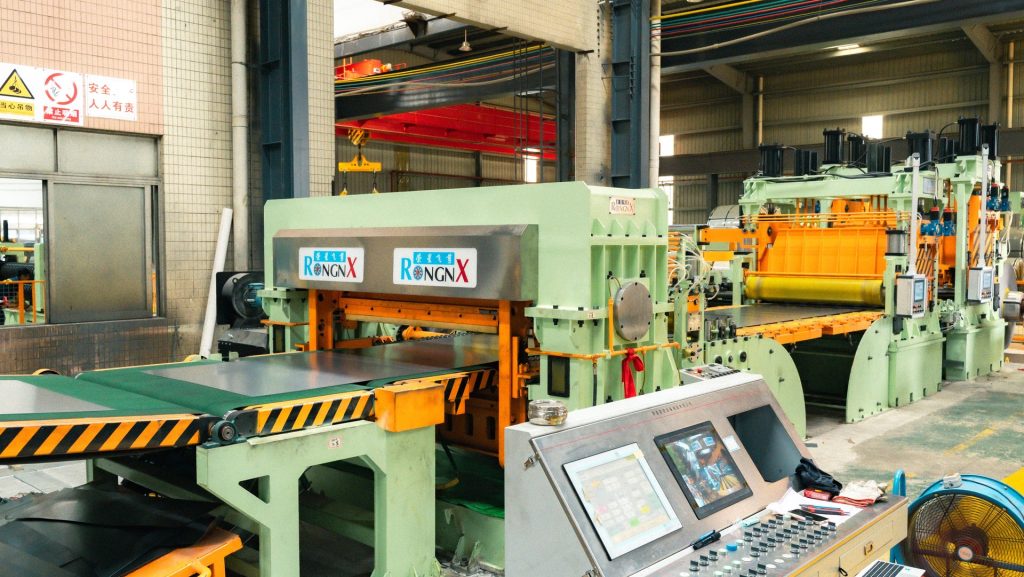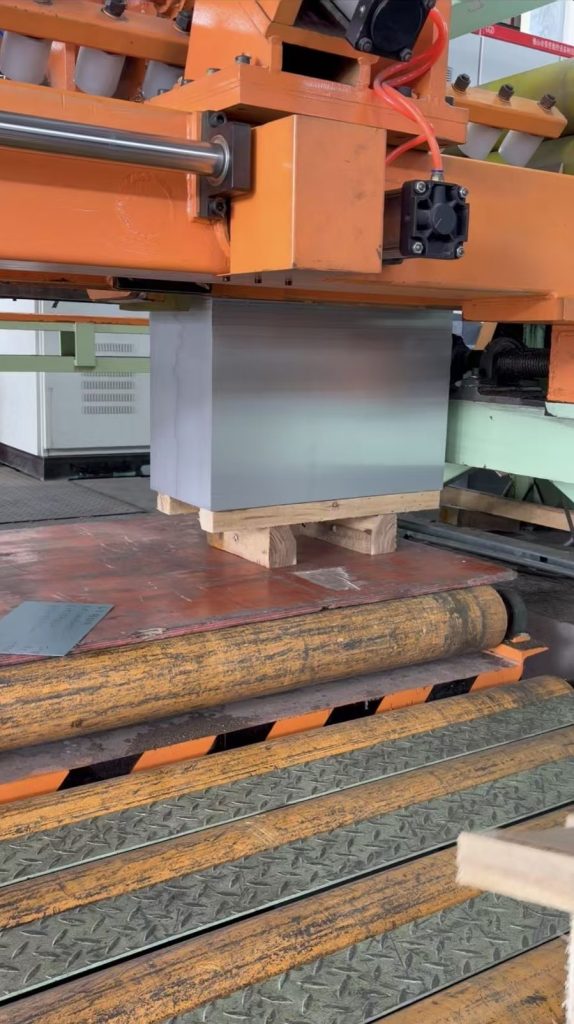
The footprint of a flying shear cut-to-length line is only one part of factory planning. A workable installation must connect coil receiving, loading, production, bundle removal and maintenance without unsafe crossings or blocked access. The approved layout should therefore be developed alongside the technical specification, not after the equipment has already been selected.
Begin with material flow and handling limits
Map how coils arrive, where they are stored and which crane or handling vehicle loads the line. Confirm lifting capacity, hook approach, coil orientation and the space needed to turn or stage material. At the discharge end, plan how finished stacks leave while production continues. A narrow aisle or unavailable crane can become the real output limit even when the cutting equipment is fast.
The specification process in How to Specify a Cut-to-Length Line should include coil dimensions, maximum weight, sheet sizes, bundle weight and preferred removal method. Those inputs influence line center height, loading equipment, stacker arrangement and operator zones.
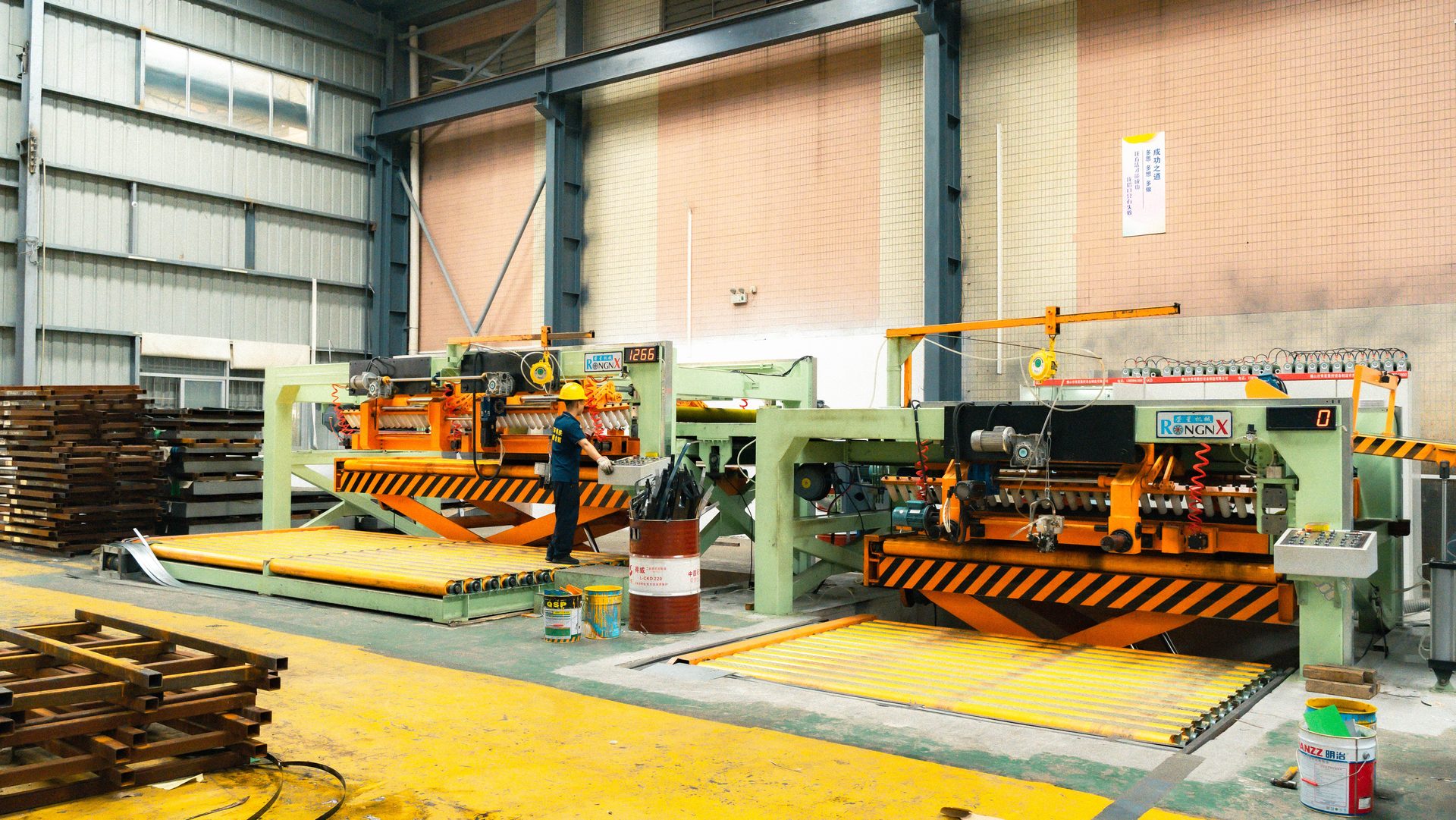
Coordinate foundations, utilities and service access
Foundation loads, pits, anchor positions and floor levels must follow the approved project drawings and local site conditions. Electrical supply, compressed air, hydraulic requirements, cable routes, drainage or cooling provisions should be confirmed before installation. Maintenance space is equally important: blades, rolls, motors, sensors and hydraulic components need safe access for inspection and replacement.
The layout should also reserve clear sightlines to the material path and practical routes for cleaning, calibration and tooling work. Control cabinets need suitable access and environmental conditions, while cables and hoses should be protected from handling traffic and moving bundles.
For wide-coil projects, the 1650mm Flying Shear line requires the coil weight, structure and material path to be reviewed together. Do not copy a foundation or utility schedule from another plant without engineering confirmation.
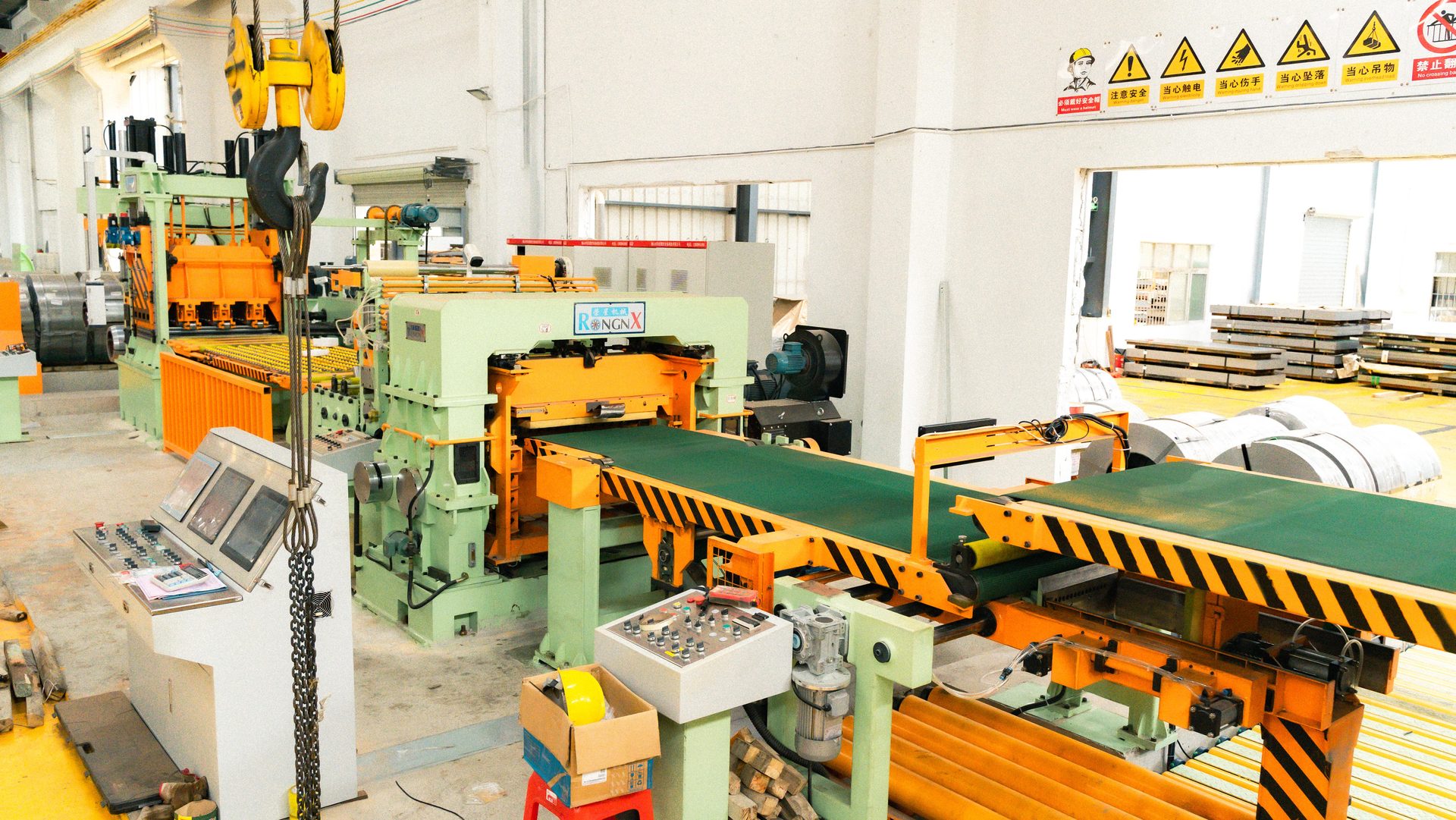
Make the discharge end part of the production plan
Single and dual collection arrangements change more than the stacker footprint. They affect bundle changeover, operator movement and the timing of downstream handling. The guide to single versus dual stackers explains how sheet format and bundle removal influence the decision.
Before final approval, review the drawing with production, maintenance, safety and facility teams. Mark guarding, emergency access, control stations, spare-parts routes and future service areas. To begin that review, send RONGXING a scaled workshop drawing with columns, doors, crane coverage, utilities and material-flow direction.