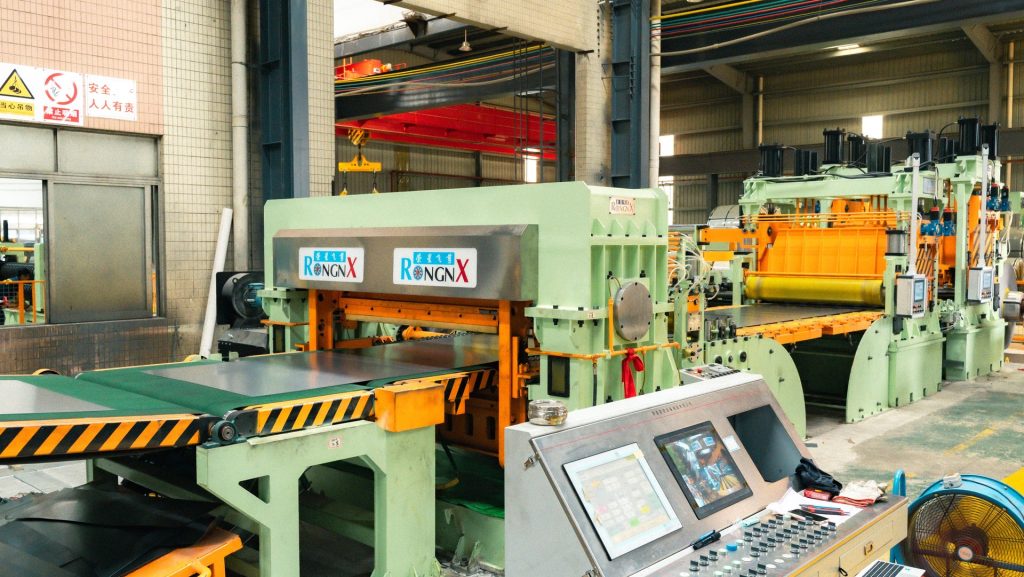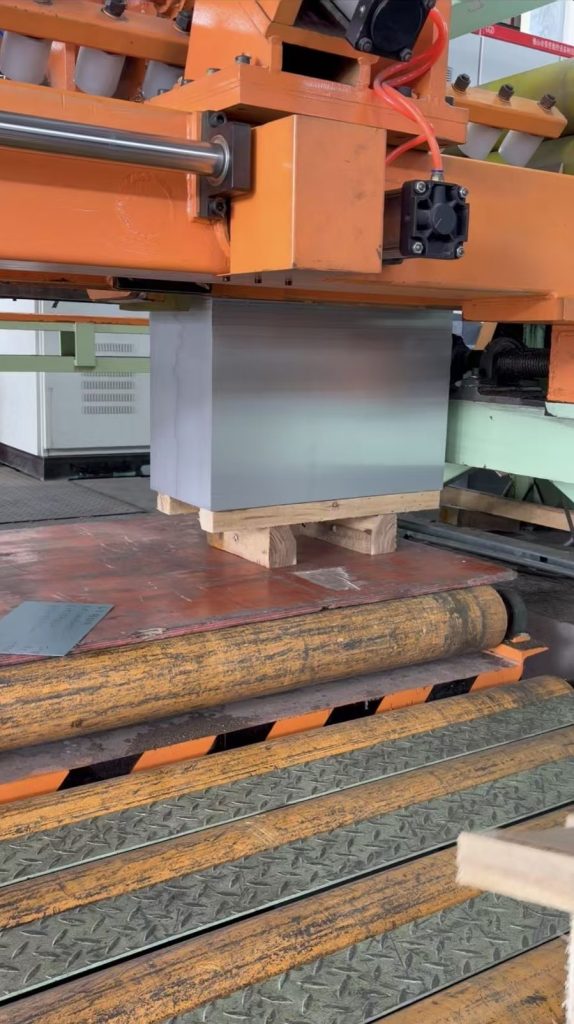
A flying shear cut-to-length line can cut moving strip, but maximum line speed does not tell a buyer how many saleable sheets will leave the factory in a shift. Mixed orders introduce coil changes, different sheet lengths, inspections and stack exchanges. A useful output estimate must include these events and show which assumptions remain untested.
When reviewing a RONGXING flying shear cut-to-length line, bring an order mix rather than one headline capacity target. The purpose is to connect material, cutting requirements and downstream handling with realistic production time. This guide provides a planning framework; its arithmetic examples are hypothetical and are not specifications or performance guarantees for any RONGXING machine.
Define output in terms of accepted orders
Decide what the output target means. Sheets per hour, processed tonnes and completed customer orders answer different questions. A line can process substantial material while leaving several small orders unfinished. Conversely, many short sheets may create demanding handling work even when the processed mass is modest. Agree which measure matters before comparing proposed configurations.
Prepare representative orders with material grade, thickness, coil width, sheet length, quantity and required bundle arrangement. Note whether inspection or packaging differs between orders. Keep abnormal rework separate from normal production allowances. If every interruption is hidden in one efficiency percentage, the estimate becomes difficult to improve and difficult to check during a trial.
Separate running arithmetic from usable capacity
For a simplified continuous-running calculation, divide strip speed in metres per minute by sheet length in metres. The result is theoretical sheets per minute, before considering cutting-cycle limits, sheet separation, handling, rejected material or downtime. Both the units and the boundaries of the calculation must remain visible.
For example, a hypothetical planning speed of 30 metres per minute and a sheet length of 2 metres gives 15 sheets per minute. Thirty uninterrupted minutes would therefore represent 450 theoretical sheets. These numbers illustrate arithmetic only. They do not show that a particular line can cut, convey and stack that product at that rate, or that all 450 sheets would pass inspection.
Check every proposed operating point with the supplier. A speed feasible for one sheet length or material may not apply to another job. The earlier running-speed and production-output discussion explains why a speed label and shift output should not be treated as interchangeable. Use measured job data wherever it is available.
Build a shift budget with named time losses
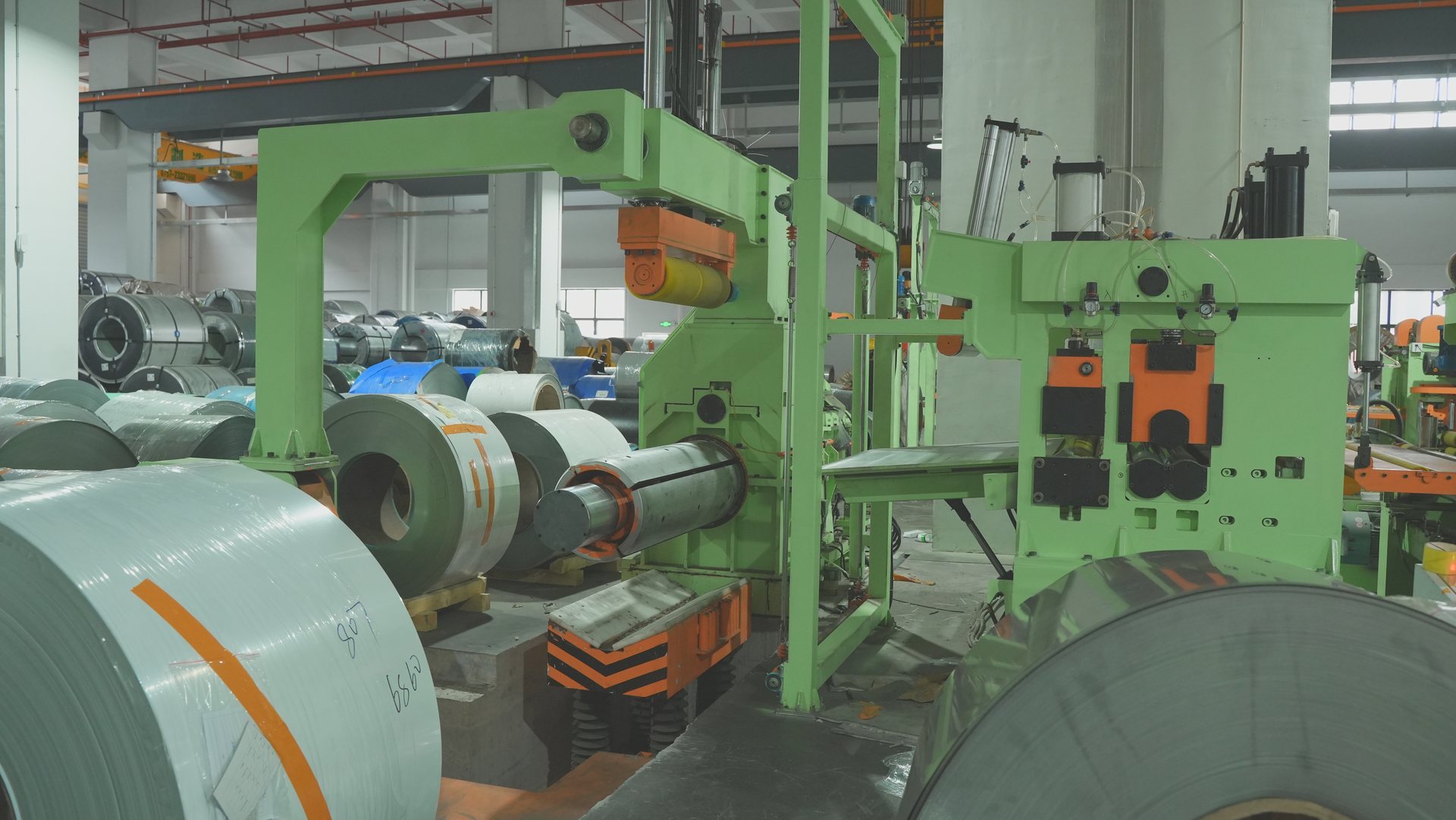
Begin with the available production window, then identify planned activities. Coil loading, threading under the approved procedure, setup verification, first-piece inspection, stack exchange and scheduled breaks may all consume time. Some activities can overlap; others cannot. A time budget should show the actual sequence instead of subtracting every item independently and accidentally counting one delay twice.
Keep cutting time, normal changeover time and abnormal stoppages in separate columns. Record the reason for each stoppage during a representative shift. If waiting for empty pallets dominates the record, increasing the proposed strip speed will not remove that delay. If material changes require lengthy verification, a better scheduling sequence may matter more than a faster running setpoint.
Review loading and staffing assumptions as well. A plan that relies on one crane serving several lines must account for that shared resource. Do not assume unattended operation or simultaneous tasks unless the intended arrangement has been reviewed for the actual factory and its approved safety procedures.
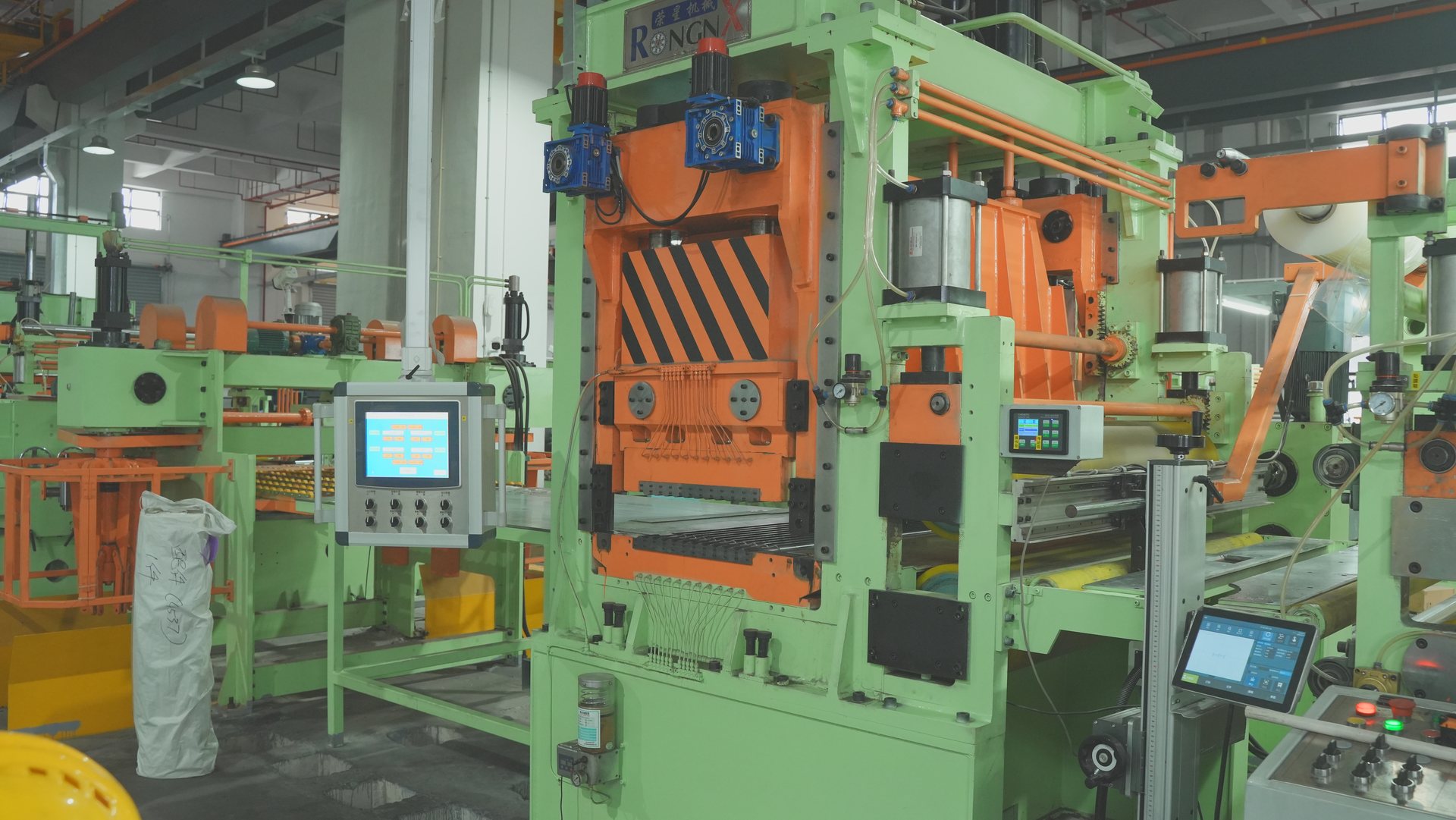
Group orders without losing material traceability
Orders using compatible material and a suitable setup may offer sequencing opportunities, but similar dimensions alone do not make materials interchangeable. Grade, surface requirements, protective film, coil identification and customer instructions still matter. Confirm compatibility before combining work, and maintain the link between each incoming coil and its finished sheet bundles.
Changing length within a compatible production campaign can reduce some handling or setup events, depending on the configured controls and operating method. It can also introduce a risk of mixed sheets or incorrect labels. Agree how quantities, transitions and bundle identities will be checked. A schedule improvement is only useful if the completed orders remain correct and traceable.
Material condition may also change the practical operating point. Use the existing flatness and roller-leveling guide to frame the quality discussion. Do not compensate for an unresolved material or leveling problem by assuming that the planner can simply select a higher speed.
Include sheet delivery and bundle removal
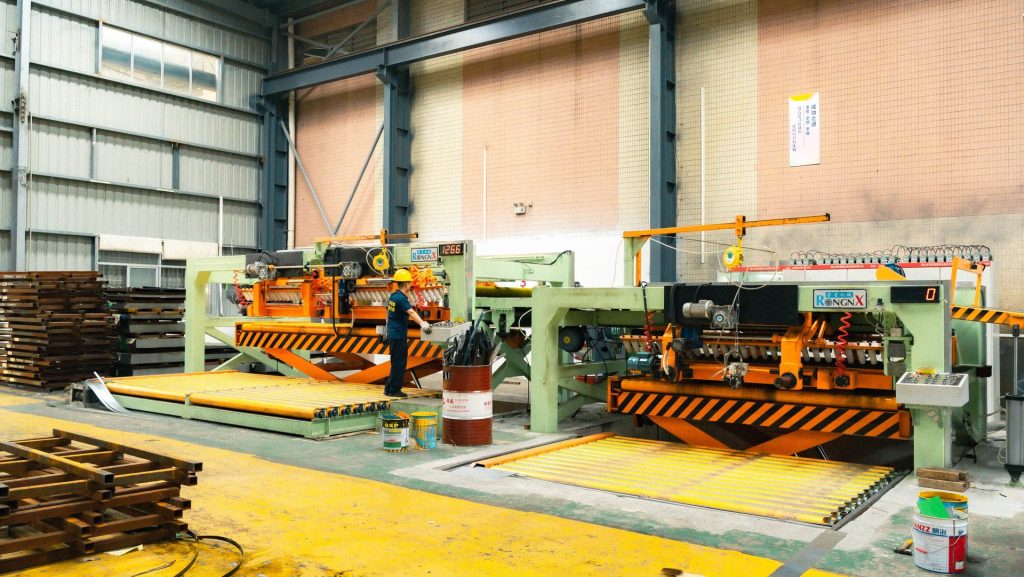
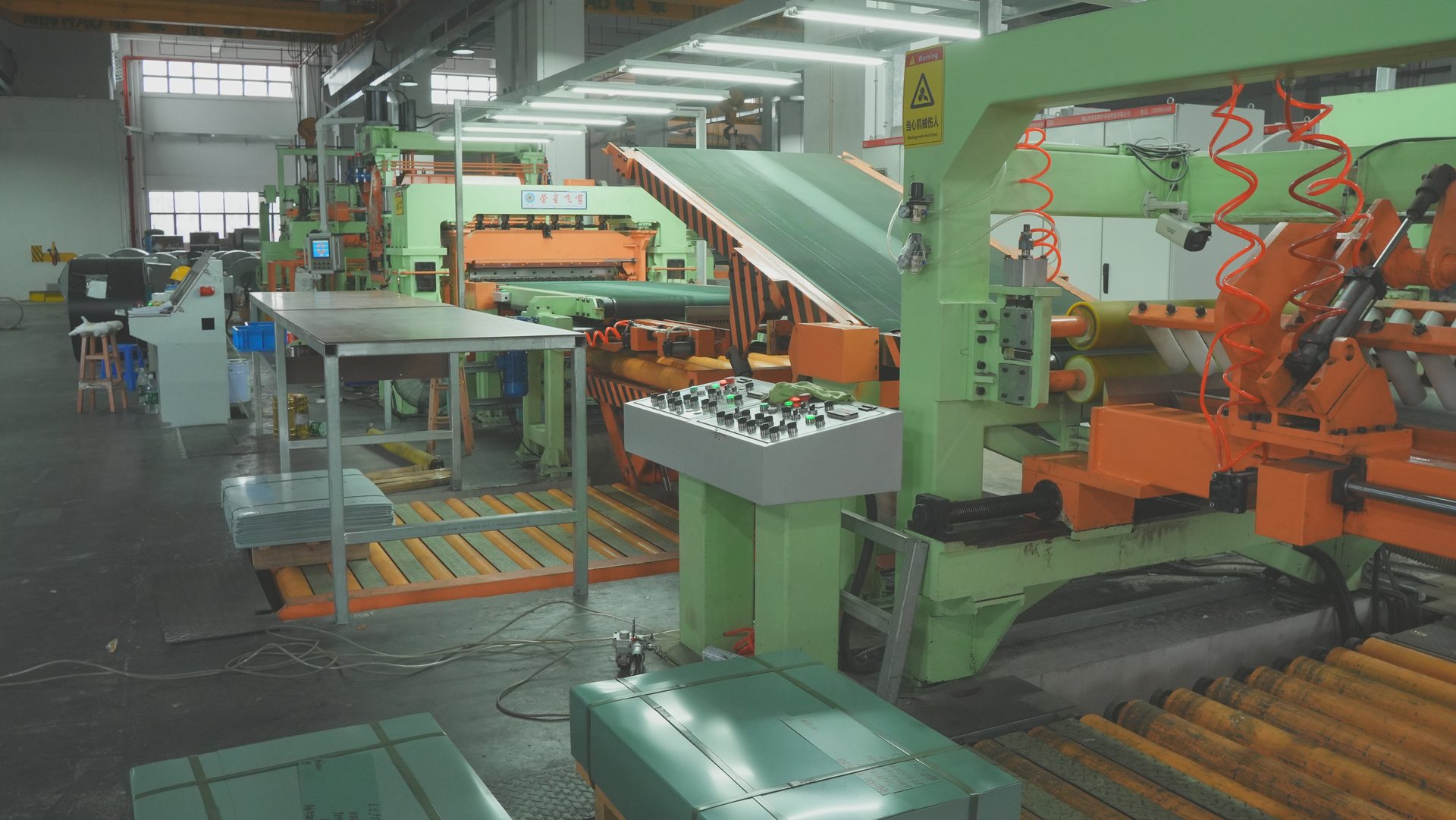
Follow the product beyond the shear. Sheets must separate, travel through the output area and form a stack that can be inspected and moved. Required sheet length, surface sensitivity, bundle size and available space affect that workflow. The slowest coordinated activity can limit the order even when the cutting section has spare running capacity.
Discuss how full stacks are exchanged, how the next pallet or support is prepared and how completed bundles leave the area. Identify any shared forklift or packing station. The supplied photograph illustrates an output arrangement, not a measured throughput result. Its presence should prompt questions about the proposed layout rather than support an automatic capacity claim.
Validate the model with a representative trial
Use several representative orders rather than a short demonstration at one convenient condition. Record good sheets, material consumed, time by activity and the reason for each interruption. Agree which measurements are part of the flying shear acceptance checklist and which operational assumptions need further observation after installation.
Compare the trial with the original plan. Replace estimates with observed values where justified, while retaining the tested material and operating conditions. A one-time result should not become an unlimited production guarantee. Revisit the plan when the product mix changes, especially if shorter sheets, smaller orders or more demanding surfaces become a larger share of work.
For a configuration discussion, send RONGXING your representative order mix, coil specifications and intended bundle workflow. A useful output review explains both the running calculation and the activities around it, giving purchasing and production teams a shared basis for the next decision.