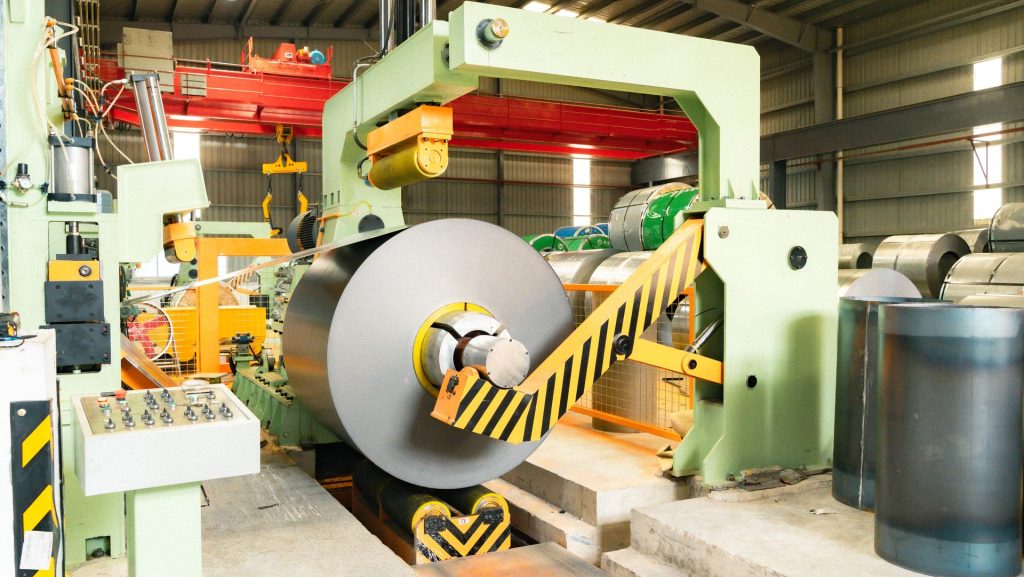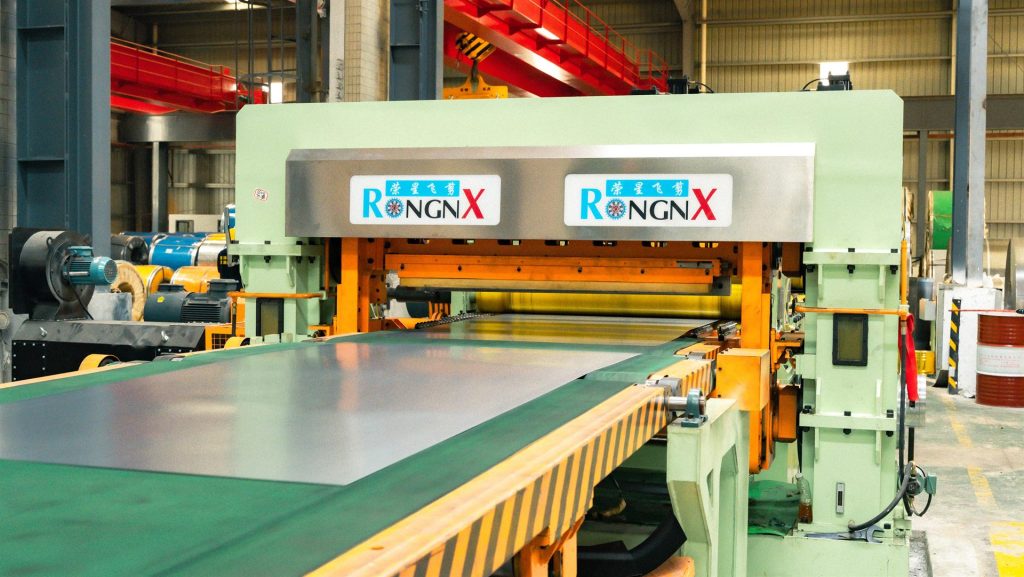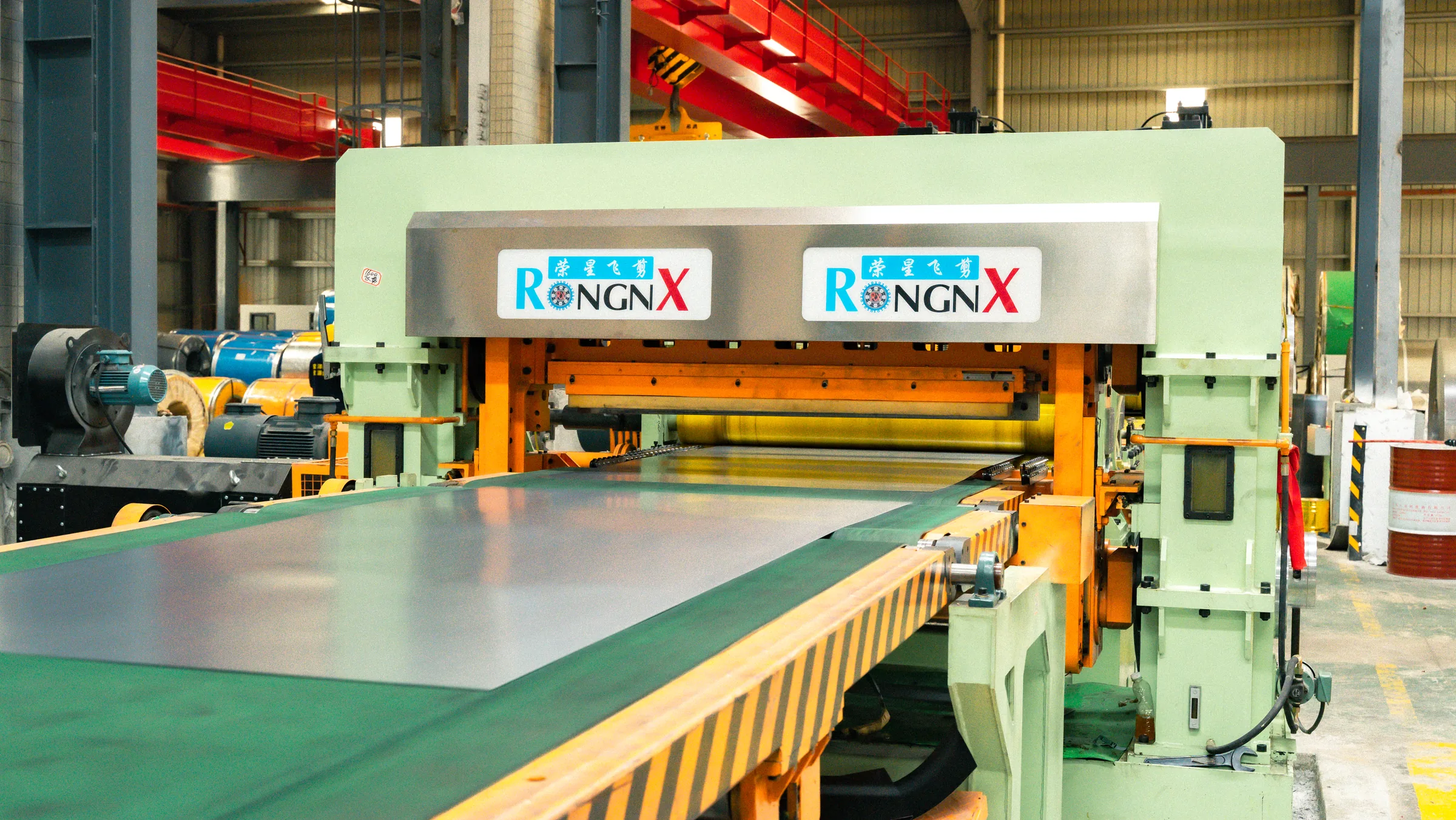
Increasing line speed from 80 to 100 m/min is a 25% increase: (100 − 80) ÷ 80 = 25%. It is a clear advantage for an applicable Flying Shear cut-to-length line, but not automatically 25% more saleable sheets per shift. Net production also includes acceleration, cutting, stacking, bundle removal, coil changes and rejected material.
Follow the production constraint, not one headline number
The flying-shear working principle avoids stopping the strip for each cut, creating the basis for higher continuous speed. Limits may still move elsewhere: short blanks increase cycle demand; sensitive sheets may need gentler stacking; difficult shape correction or frequent bundle changes reduce time at maximum speed.
Production planning should therefore compare complete recipes: material, thickness, target length, speed profile, stack height, bundle-change method and quality limits. A responsible estimate separates peak speed, stable recipe speed and average shift output.
In-house coordination helps make speed usable
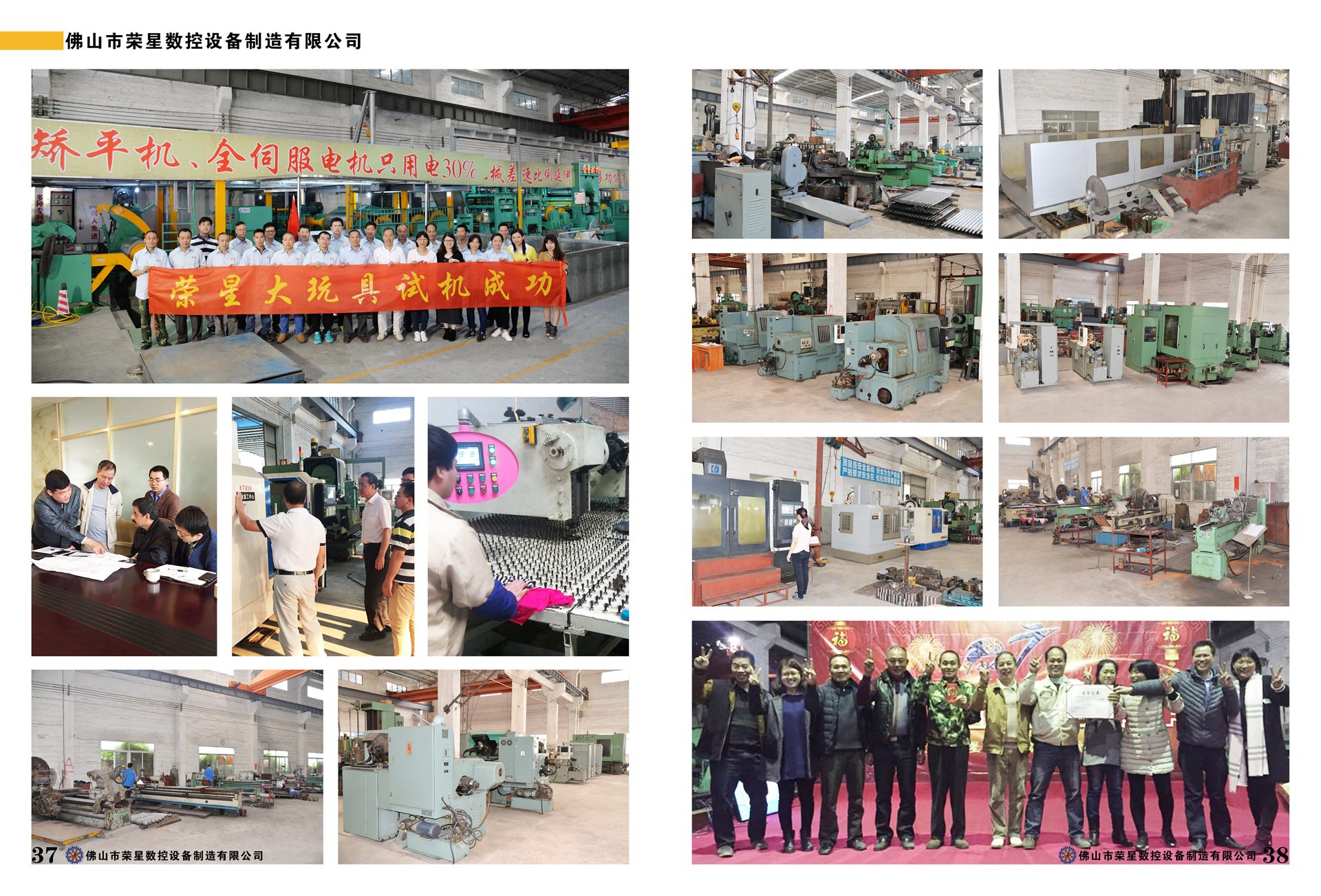
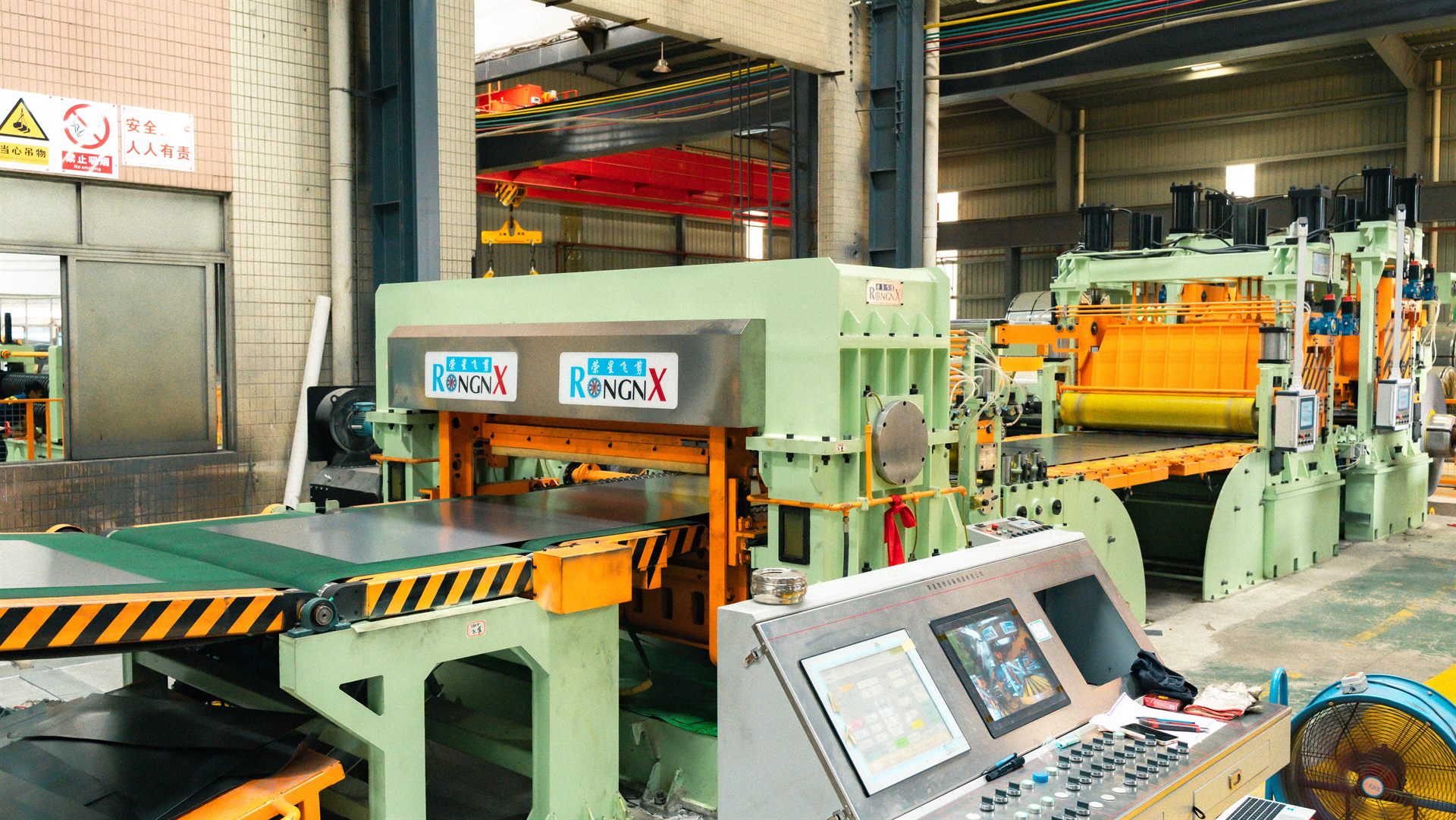
RONGXING’s in-house servo-motor capability, control logic and flying-shear head are intended to work as one motion system. The controller relates strip measurement to the shear trajectory, the motor follows the profile, and the head cuts and recovers for the next cycle. Levelling and conveying must remain stable too.
Applicable 850mm and 1350mm Flying Shear configurations carry public reference speeds up to 100 m/min. The rating is not universal: material, gauge, length, stacker and project design define the operating envelope.
Measure good output under real acceptance conditions
The correct comparison records good sheets over elapsed time, including repeated length and diagonal checks, edges, surfaces, stack alignment, stops and changeovers. It should show whether the agreed result continues through speed changes, not only during a brief steady-speed demonstration.
This is how a theoretical 25% line-speed gain can be evaluated as a practical capacity improvement without overstating the result. For a project calculation, share the actual coil, blank lengths, stack format and shift target; RONGXING can then define which speed and acceptance conditions belong in the technical proposal.