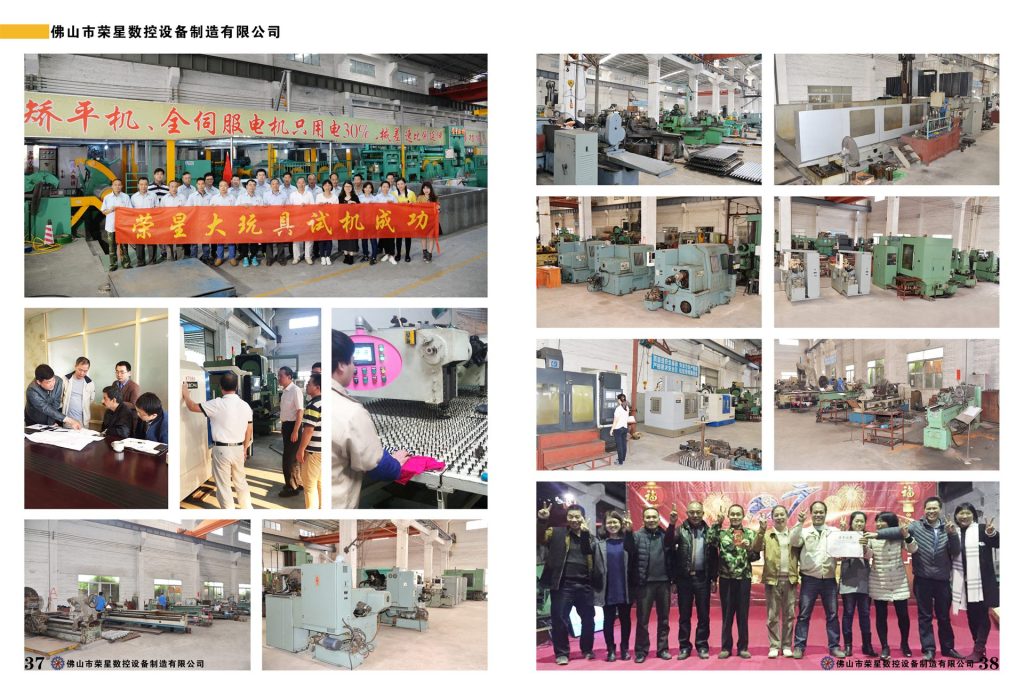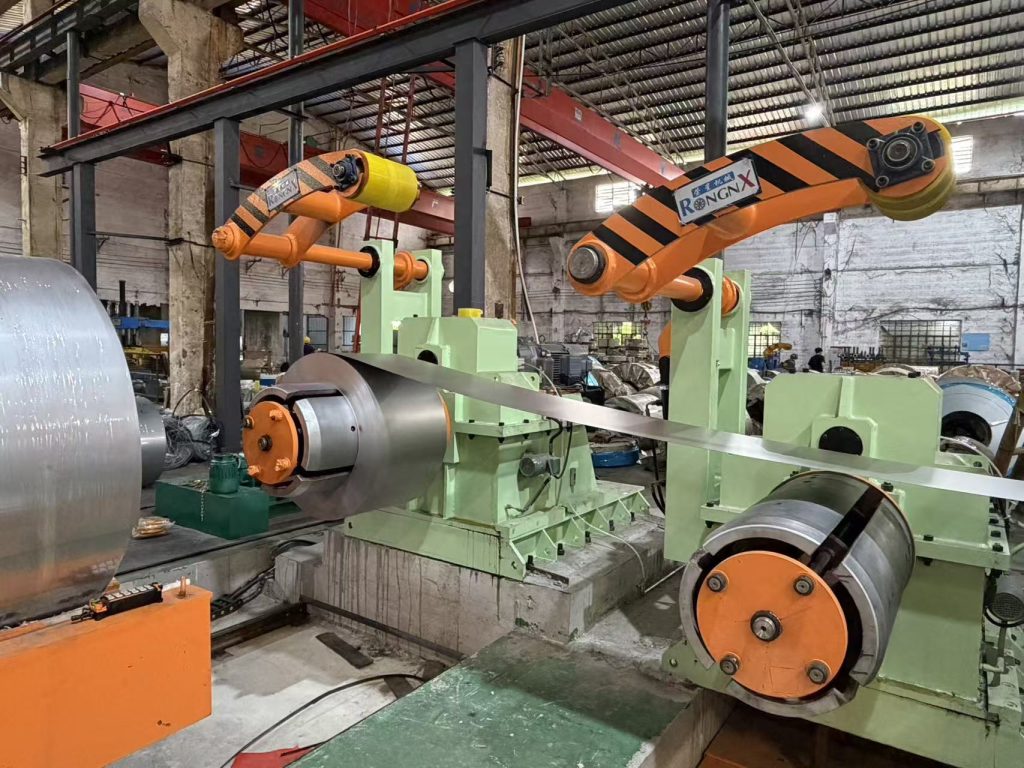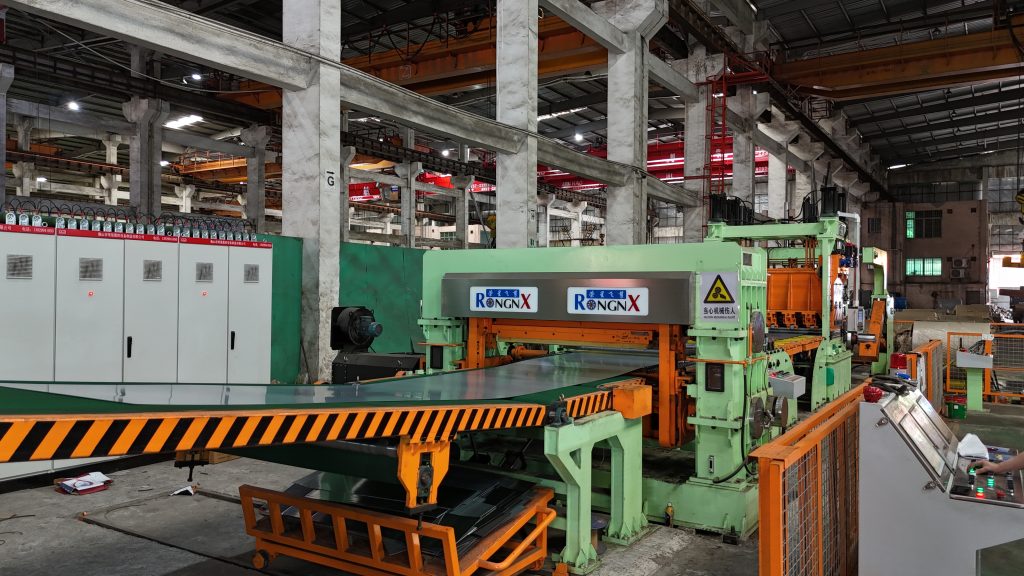
This RONGXING 1650mm Flying Shear customer case shows the main stages behind a wider coil-to-sheet project: coil loading, controlled strip entry, leveling, length measurement, cutting, conveying, inspection, and finished-sheet handling. The 1650mm Flying Shear Cut-to-Length Line is configured around the customer’s material and finished-product requirements rather than one universal operating condition.
Coil handling establishes stable material flow
The production sequence begins with the incoming coil. Coil width, thickness, weight, inner and outer diameter, material strength, and surface condition affect the loading method, uncoiler, guiding, leveling, and drive selection.
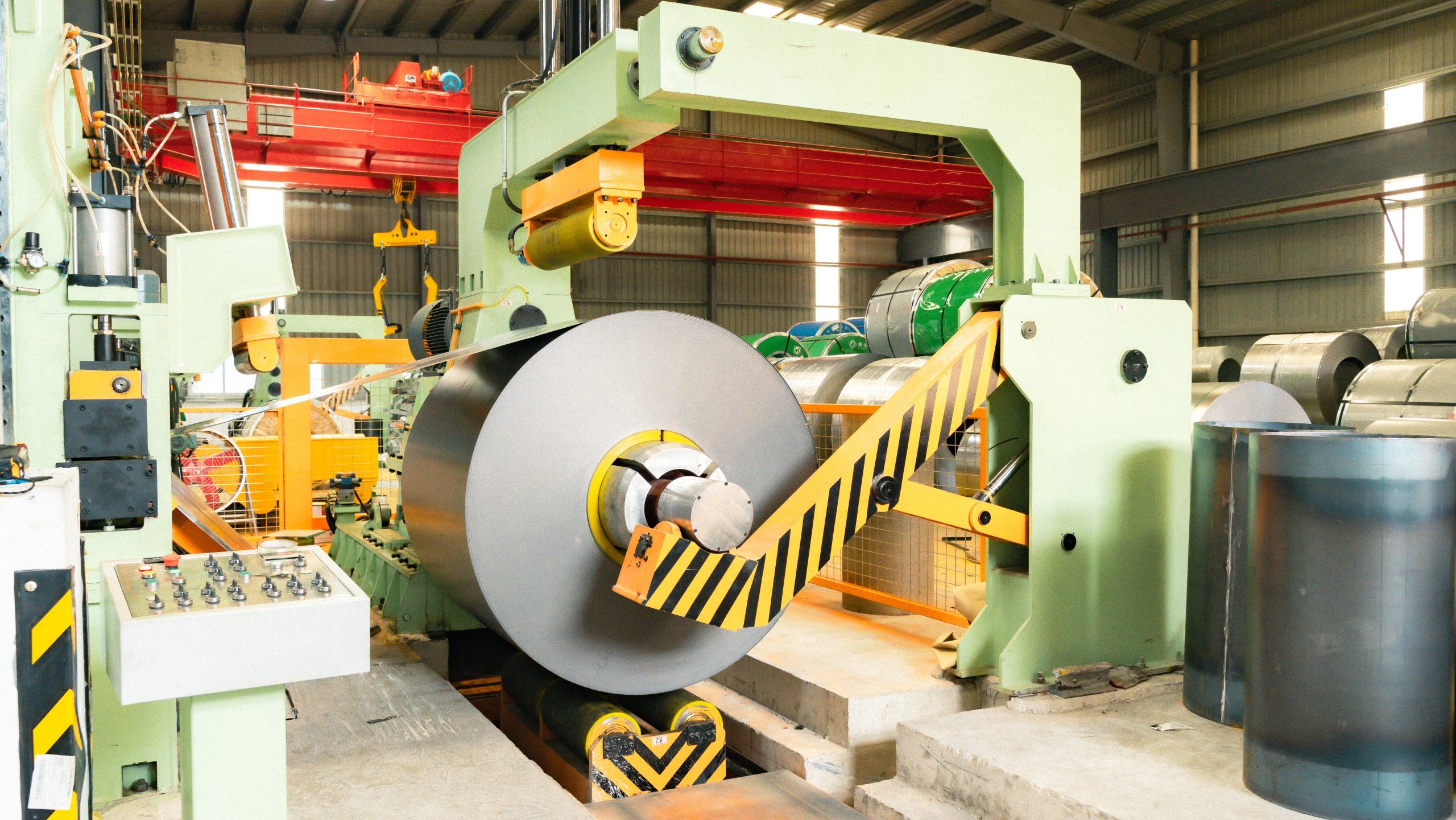
Correct centering and controlled payoff help the strip enter the processing centerline consistently. The line arrangement should also provide safe access for loading, threading, inspection, and maintenance. Buyers with different width and output requirements can compare the RONGXING Flying Shear series before the final project configuration is reviewed.
Cutting and finished-sheet inspection belong together
After guiding and leveling, the measuring system tracks strip travel and the control system coordinates the cutting command with the moving material. The Flying Shear working-principle article explains why measurement, motion response, and material flow must be considered as one process.
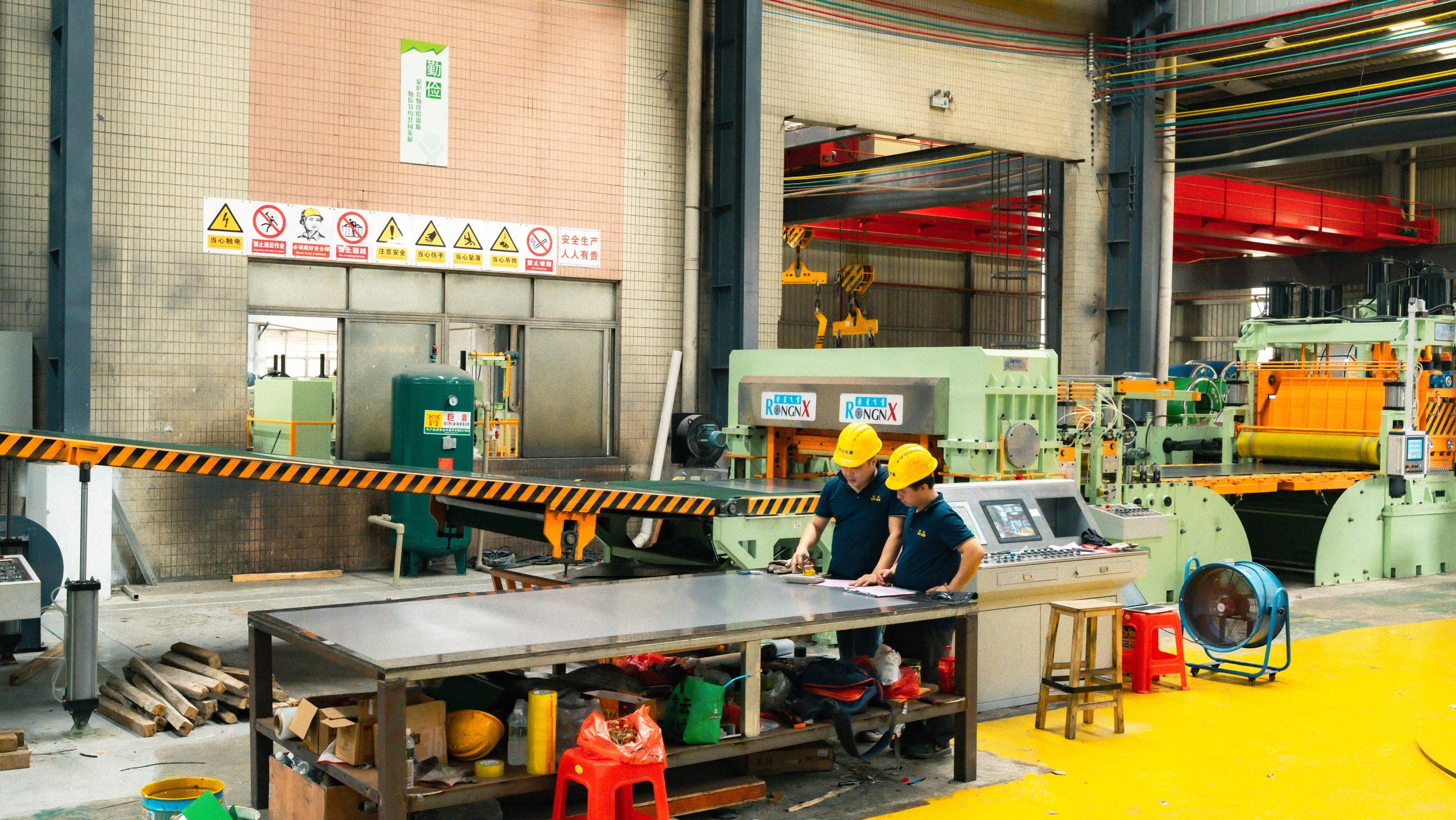
Factory inspection should use the agreed material and finished-sheet criteria. Depending on the project, checks may include length, diagonal, flatness, edge condition, surface marks, sheet transfer, and stack alignment. Any reported result should identify the tested material, speed, sample method, and acceptance requirement.
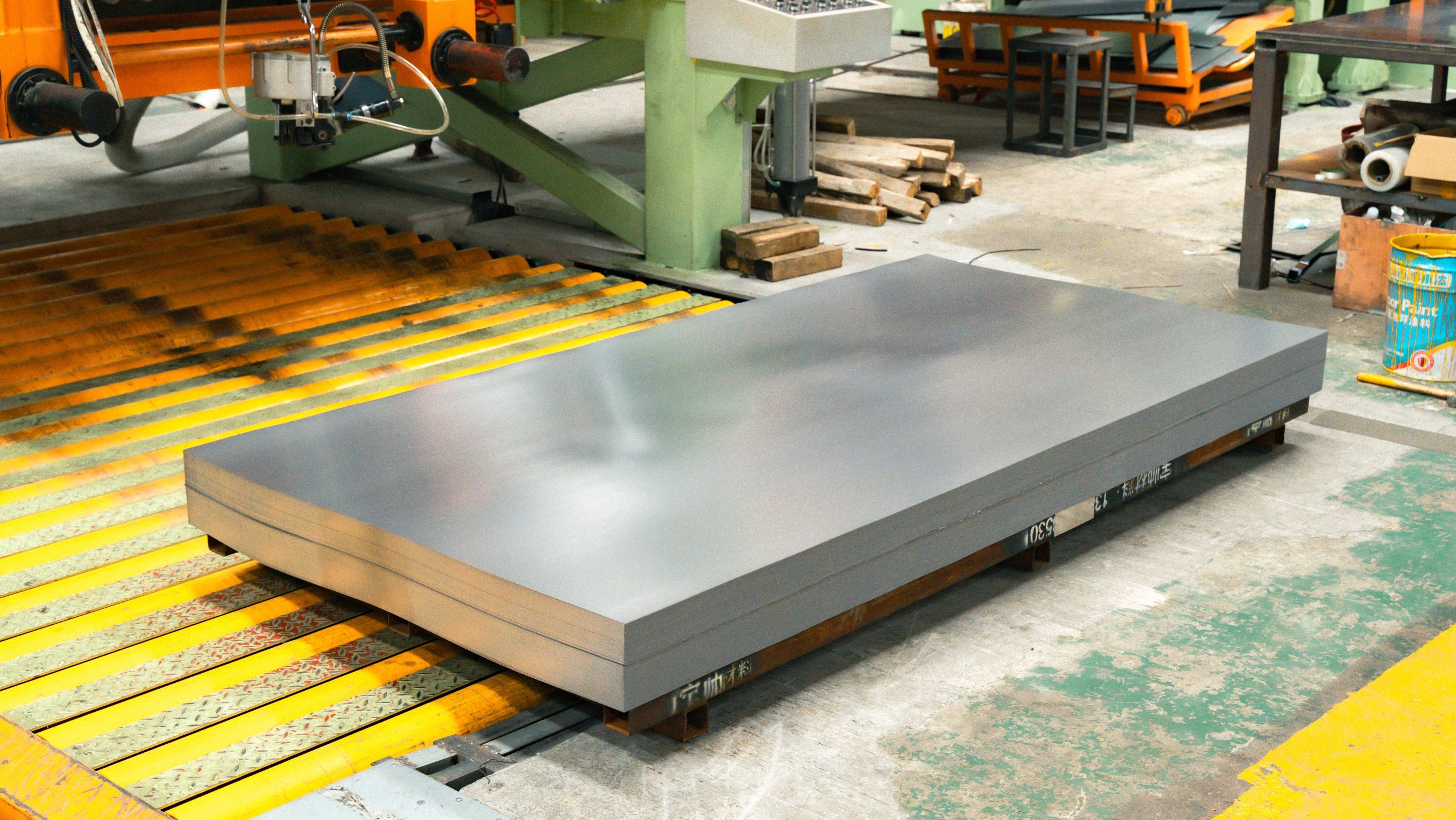
The finished stack provides practical evidence of sheet handling, but it should not be treated as proof of every maximum specification. The complete production envelope remains subject to the approved technical proposal.
Project evidence supports the next engineering review
A useful customer case combines real machine images with confirmed project facts. Material grade, normal and maximum thickness, coil dimensions, sheet length, required tolerance, target output, stack weight, and workshop layout should be documented before equipment selection.
Installation, operator training, and site acceptance are described only when they are part of the actual RONGXING service scope. Customer names, countries, drawings, recipes, and shipping marks can remain private.
For a similar 1650mm project, send the incoming coil and finished-sheet requirements for engineering review.