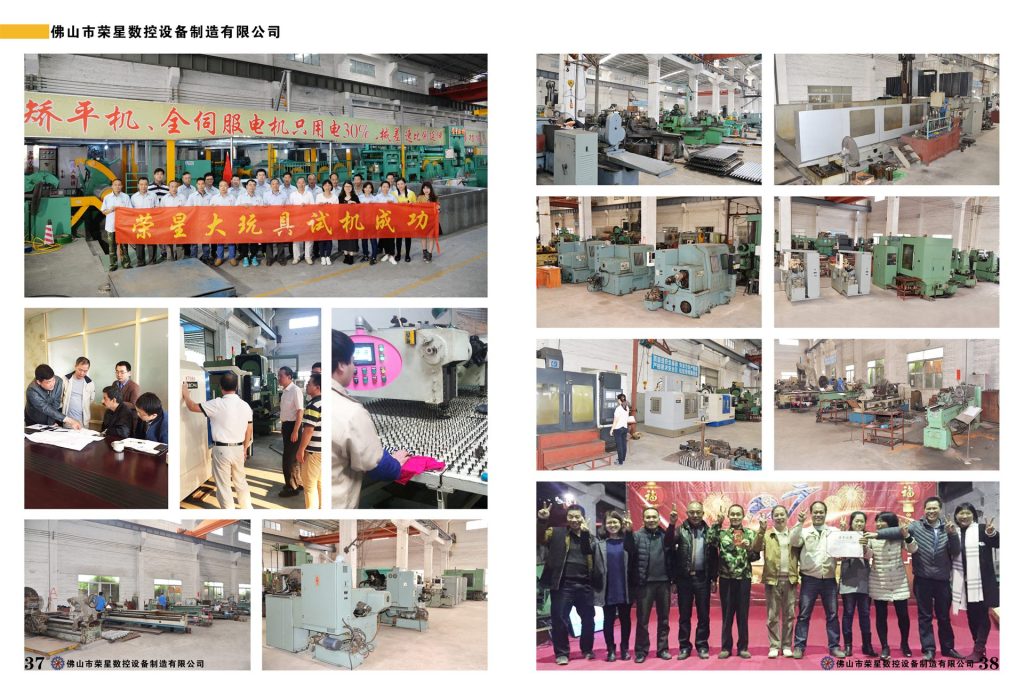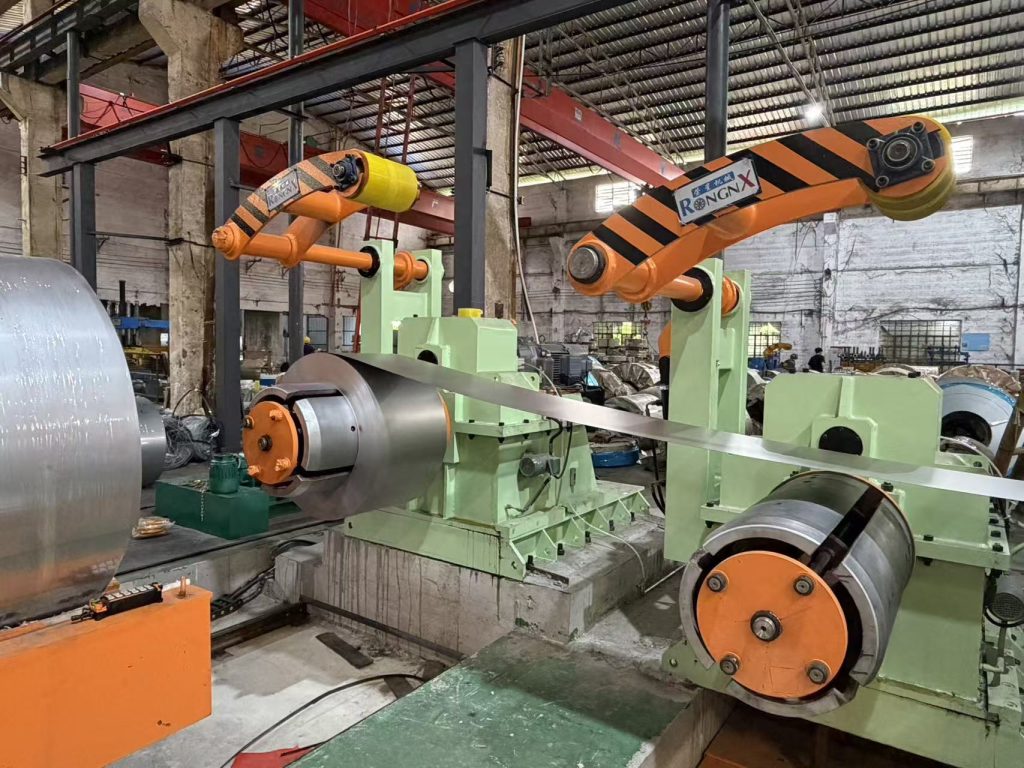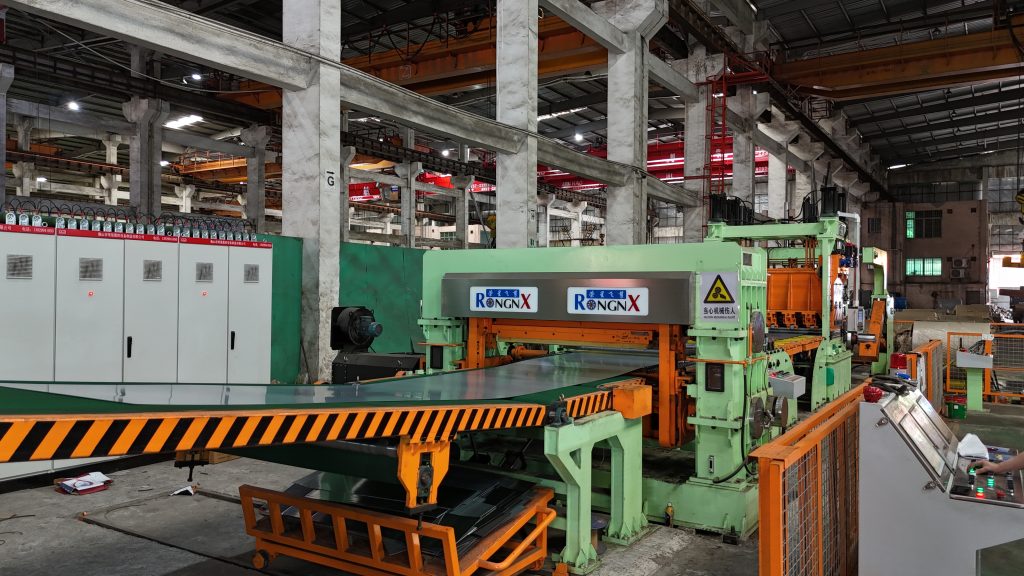
A 1650mm Flying Shear line should enter delivery preparation only after its approved configuration, factory-test scope, open items, and handover documents have been checked. The RONGXING 1650mm Flying Shear Cut-to-Length Line coordinates coil handling, leveling, length measurement, dynamic cutting, conveying, and stacking as one production system.
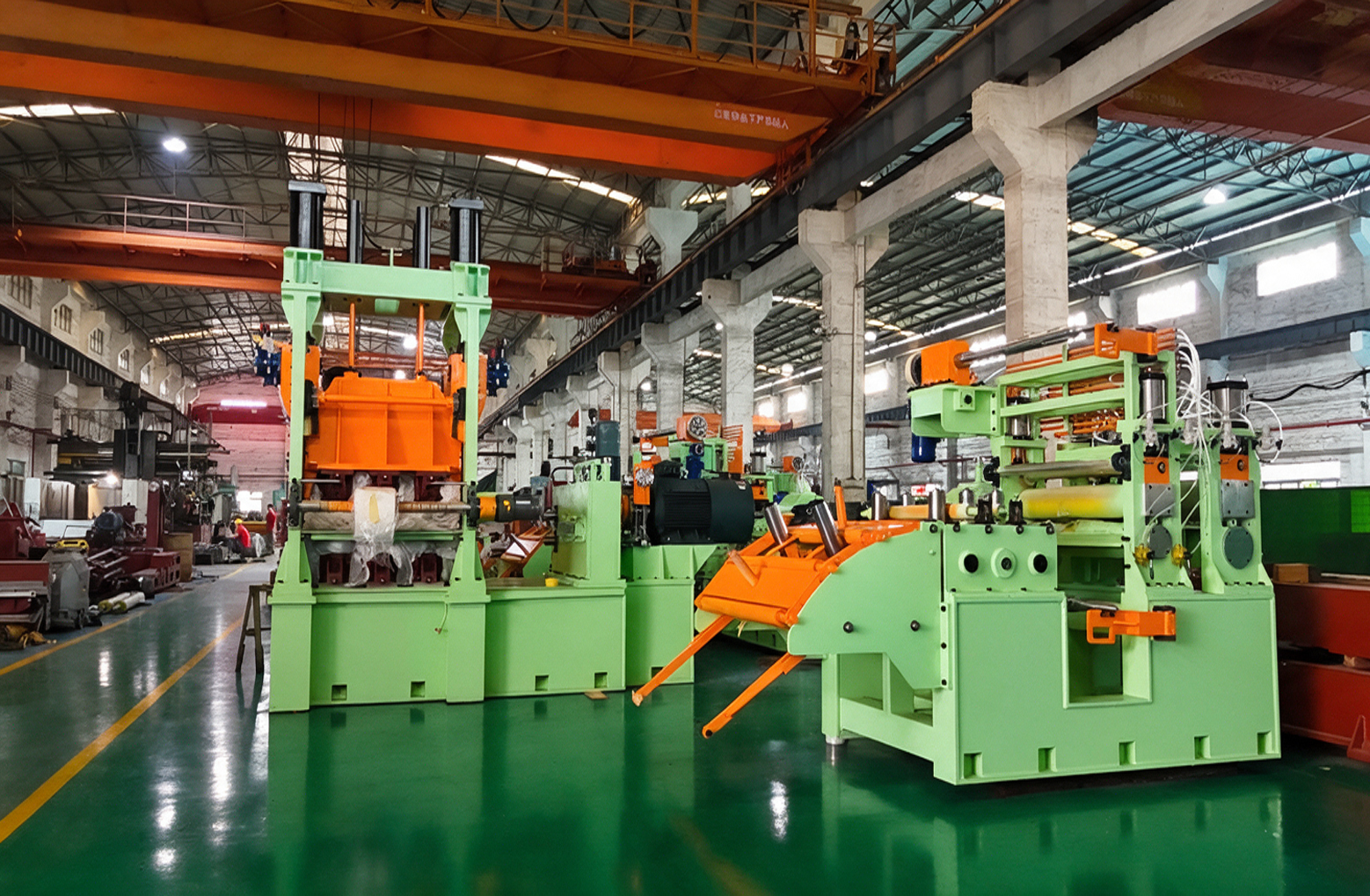
The purpose of factory acceptance is to confirm the machine that was built against the agreed project, not simply to show individual motors running. The actual test material, finished-sheet requirement, operating condition, measuring method, and any site-dependent work should be clearly recorded before shipment.
Factory acceptance should follow the approved project
The test begins with the latest technical agreement and layout. Machine sections, working direction, coil range, control scope, safety functions, and acceptance criteria should match the approved configuration. Buyers can compare the wider Flying Shear Cut-to-Length Line family while keeping the project-specific 1650mm requirements separate.
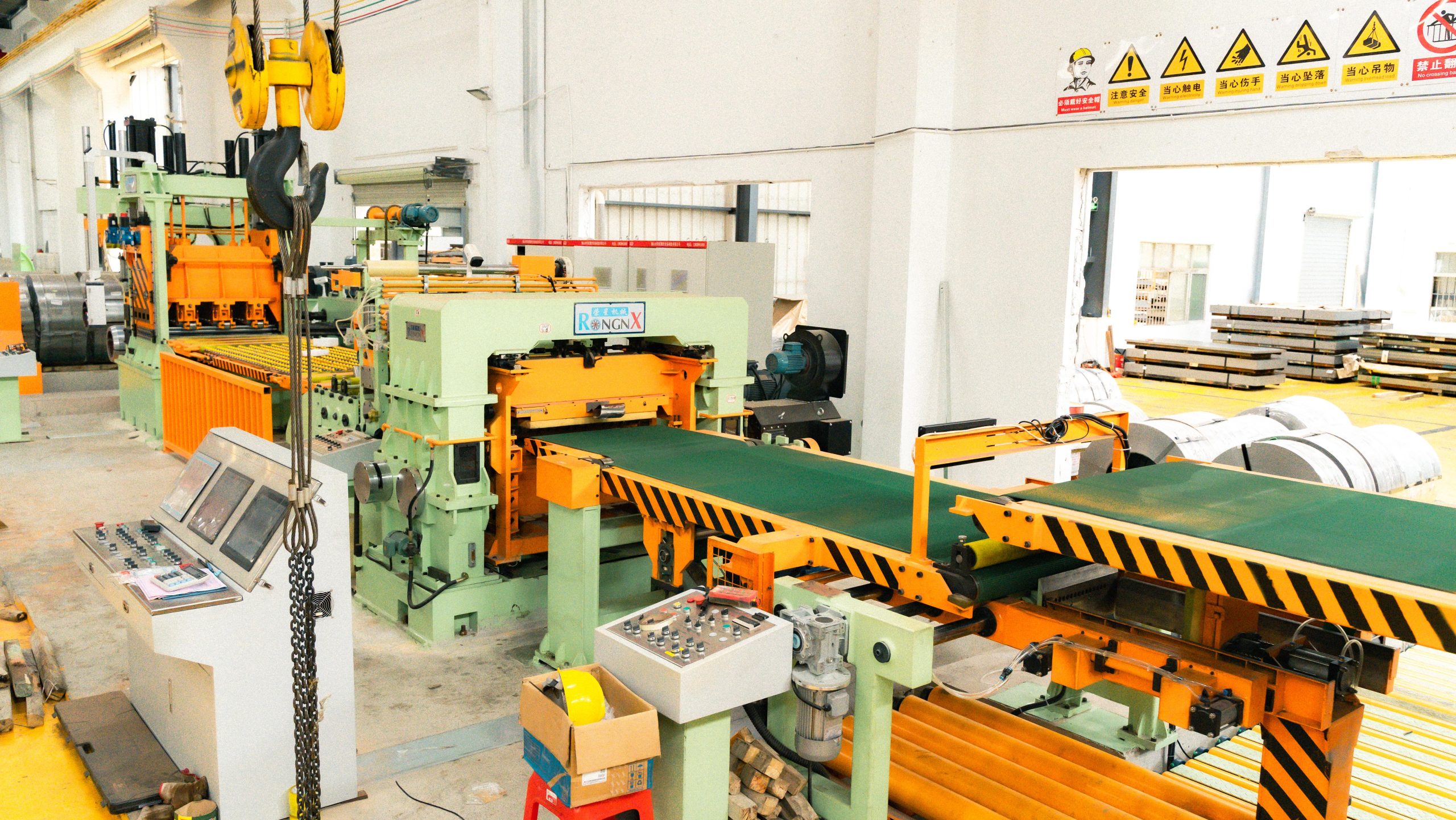
A complete trial reviews material flow through the line. Coil entry, guiding, leveling, encoder measurement, the Flying Shear cycle, conveyor transfer, and stacking should work together. The Flying Shear working-principle guide explains how strip measurement and cutting motion are coordinated.
Finished-sheet checks may include length, diagonal, flatness, edge condition, surface marks, and stack alignment. Numerical results should be connected to the tested material, speed, sample size, and measuring method rather than presented as a general claim for every production condition.
Equipment preparation should preserve the installation sequence
Before disassembly or transport, the factory should record the complete line, module interfaces, cable and pipe labels, machine nameplates, and loose accessories. Each section needs a clear identity so the installation team can reconstruct the line in the intended order.
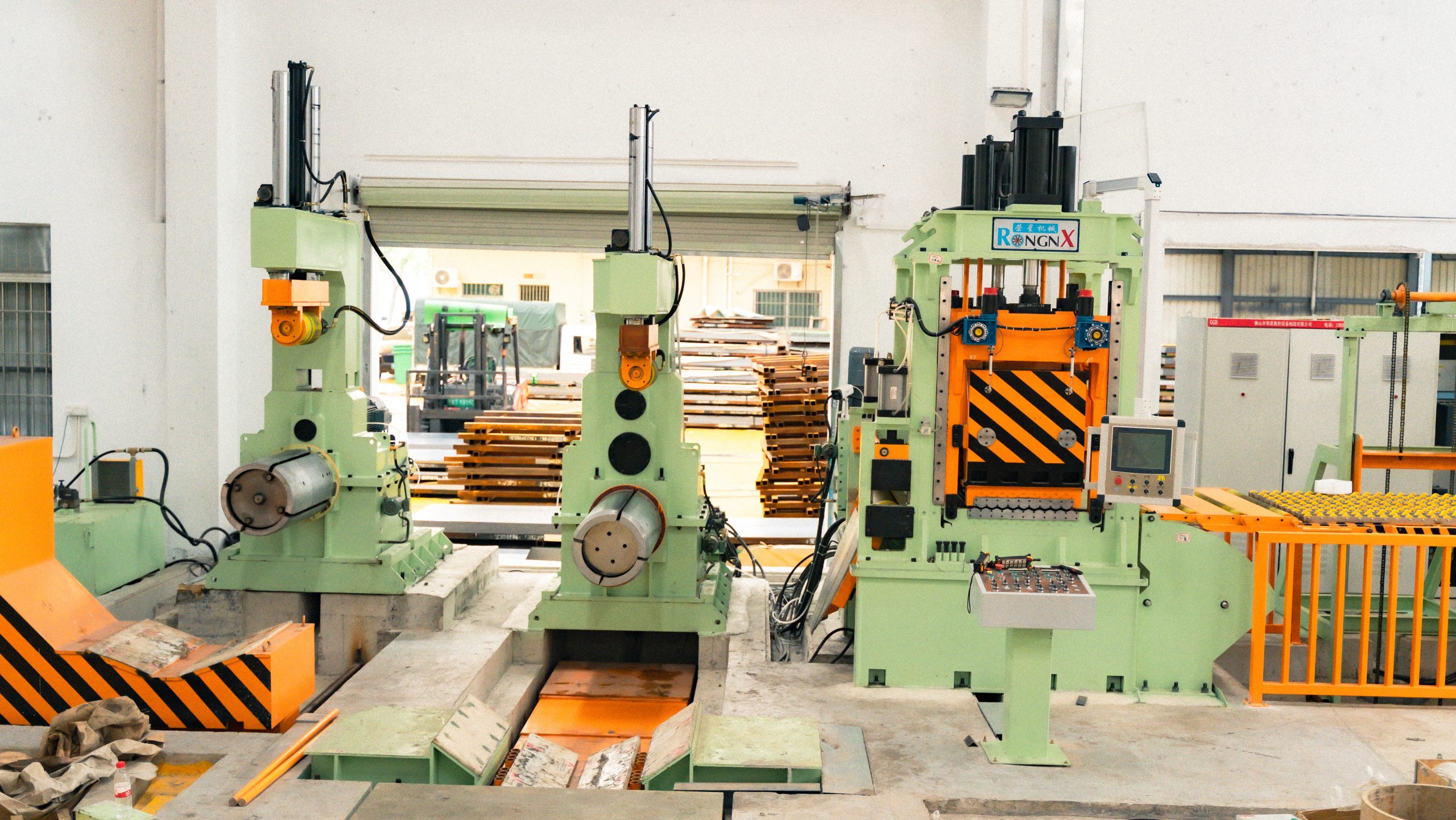
Transport protection depends on the module and route. Machined surfaces, shafts, openings, electrical cabinets, sensors, and control equipment may require different treatment. The packing and loading record should show what was shipped and what remains to be completed after arrival.
Delivery is followed by site commissioning
Factory acceptance and final site acceptance are connected but not identical. Transport, foundations, reassembly, utilities, alignment, local material, and operator training can affect the final result. RONGXING installation and commissioning support is therefore planned around the contracted equipment and site scope.
To prepare a project-specific test and delivery plan, send the coil data, finished-sheet requirements, and workshop layout.