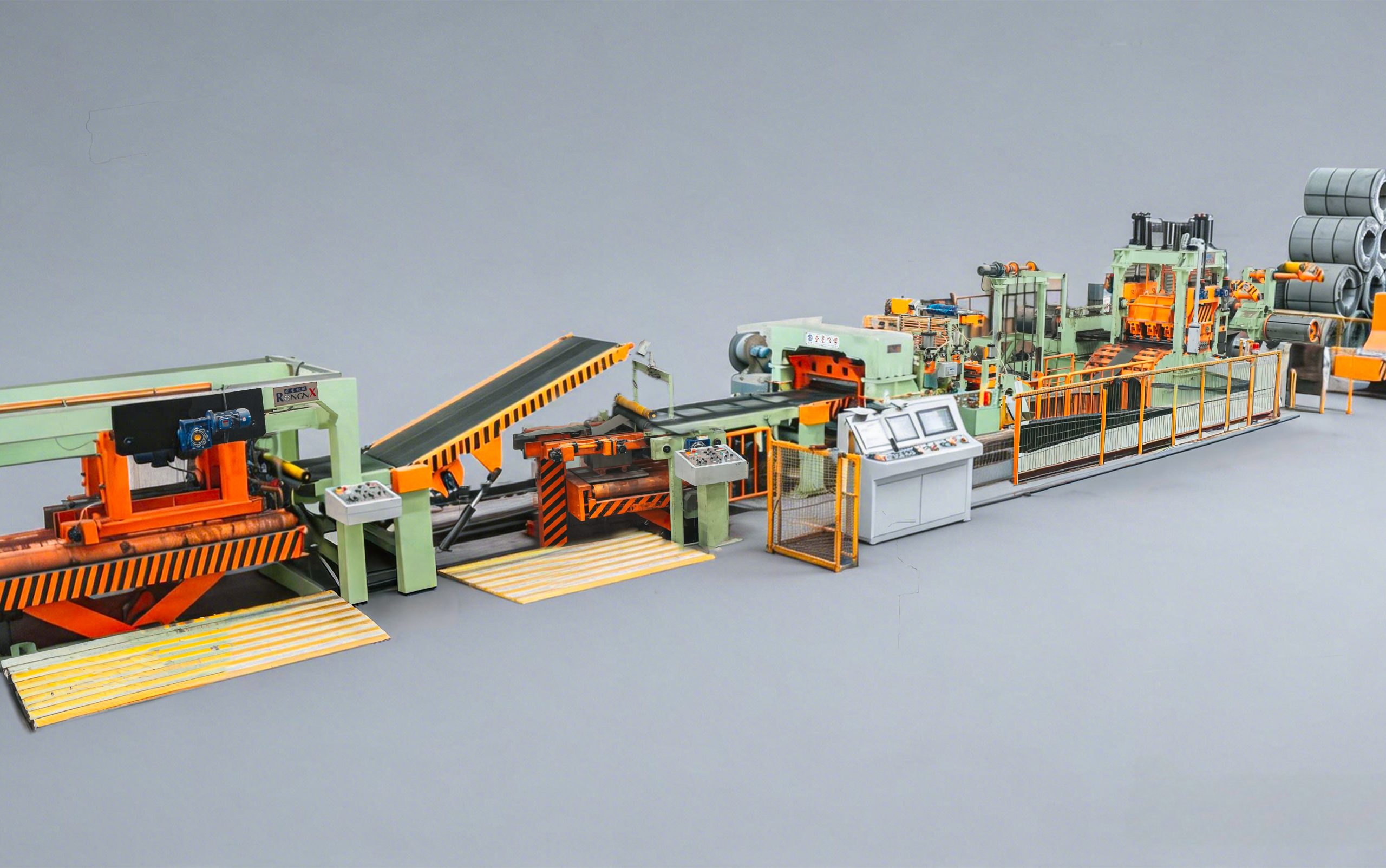
 850mm Flying Shear Cut-to-Length LineCoil thickness range -- 0.3–2.0 mm
Line speed up to -- ≤ 100 m/minLearn More
 RONGXING CNC
Flying Shear & Slitting Equipment
RONGXING CNC
Flying Shear & Slitting Equipment
Product category
Coil-to-sheet production
Compare 850mm, 1350mm, and 1650mm configurations with integrated uncoiling, leveling, measuring, flying shear cutting, conveying, and stacking.
850mm Flying Shear Cut-to-Length LineCoil thickness range -- 0.3–2.0 mm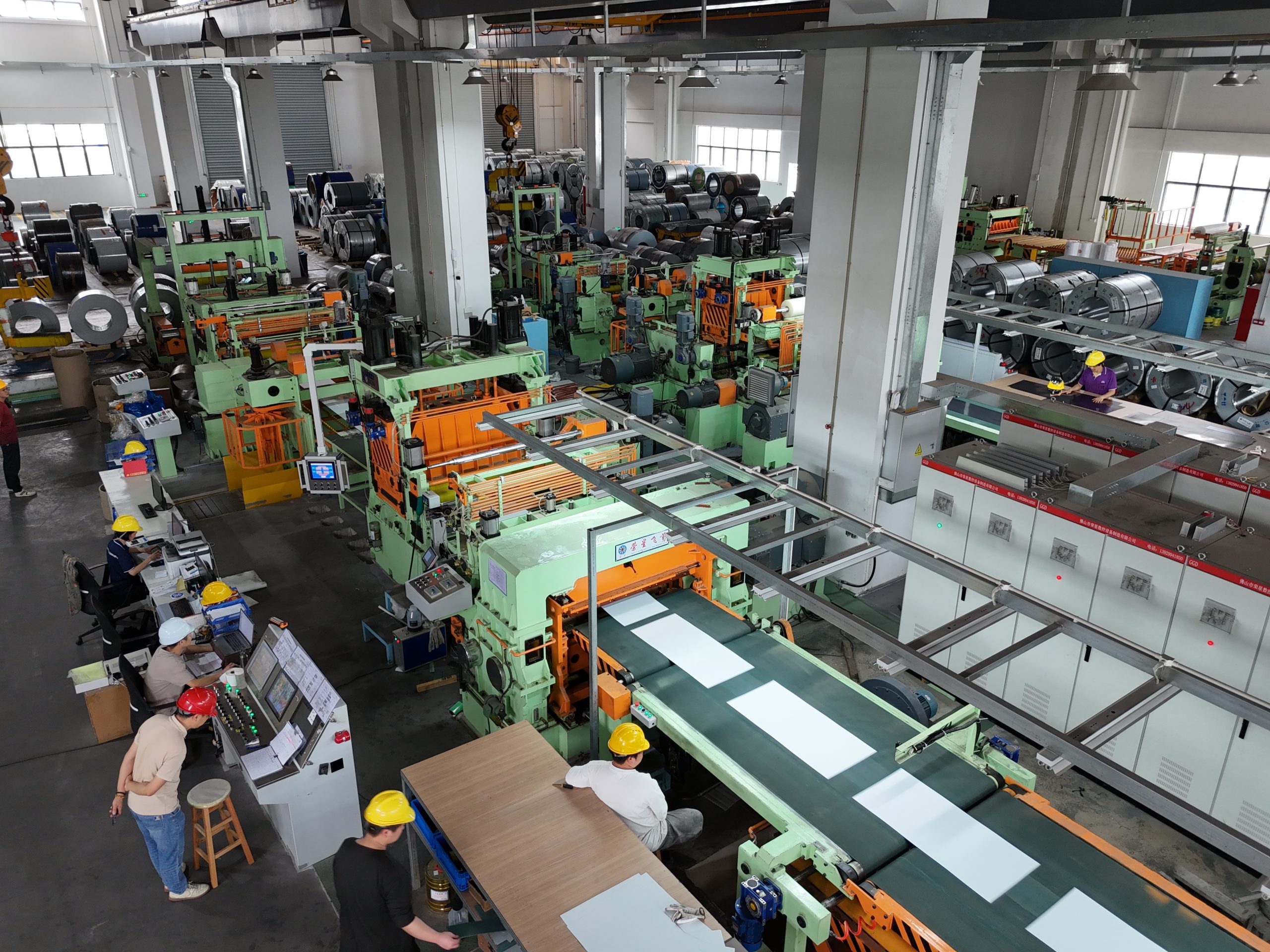 1350mm Flying Shear Cut-to-Length LineCoil thickness range -- 0.3–3.0 mm
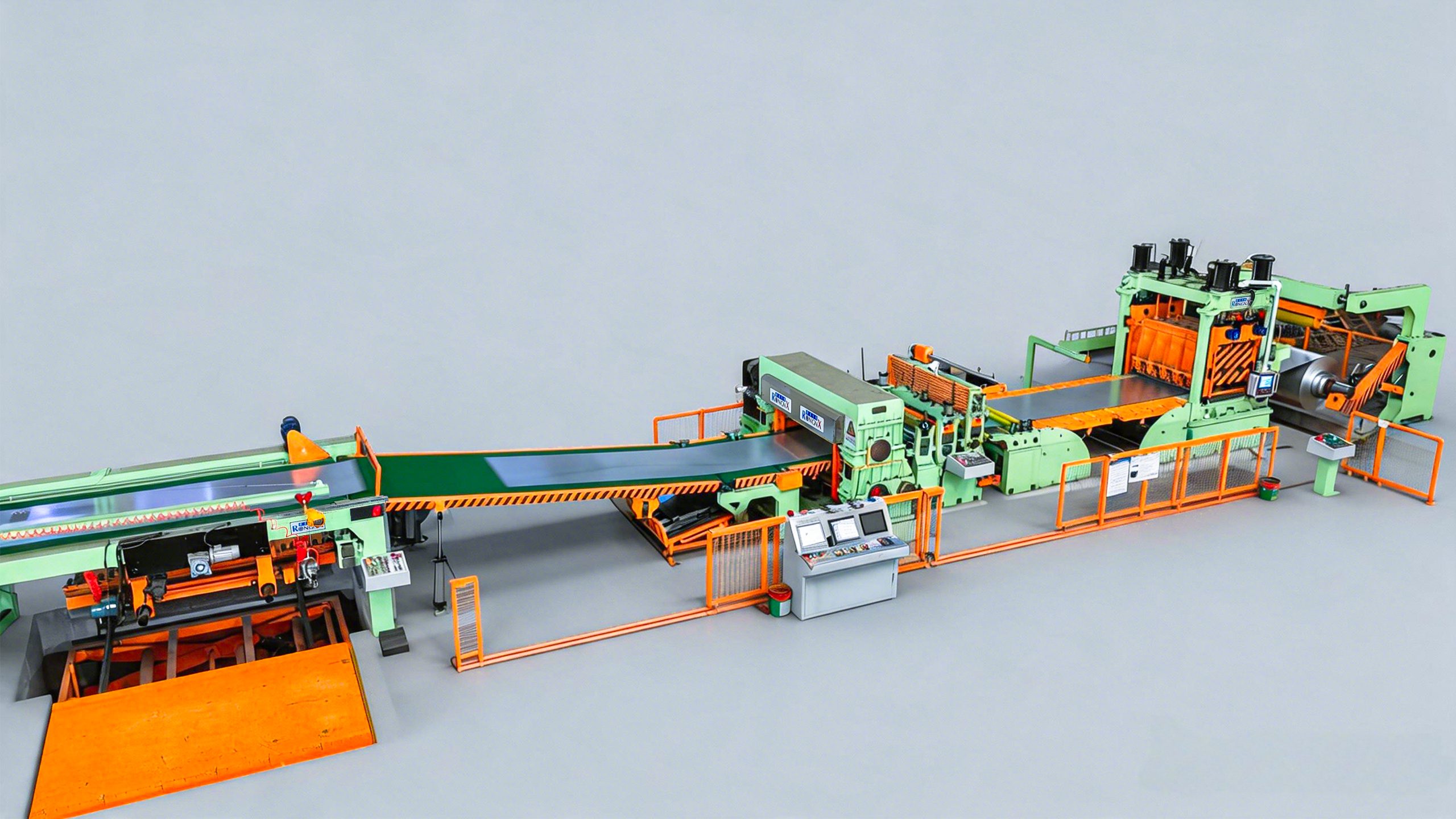 1650mm Flying Shear Cut-to-Length LineCoil thickness range -- 0.3–3.0 mm
Engineering guides
Use these practical guides to define the cutting process, technical inputs, accuracy conditions, and finished-sheet handling before requesting a project-specific configuration.
Follow encoder feedback, servo synchronization, moving cutting, conveying, and stacking through one continuous production cycle.
Read the guide 02Compare the cutting methods by speed, material behavior, finished length, line layout, and production requirements.
Read the guide 03Prepare the material, thickness, width, coil weight, finished length, speed, accuracy, stacking, and workshop information needed for engineering review.
Read the guide 04Understand how motion coordination, acceleration, strip stability, measurement, and control settings affect finished-sheet accuracy.
Read the guide 05Review how sheet format, production rhythm, bundle removal, and downstream handling influence the stacking configuration.
Read the guideWorking principle
A flying shear cut-to-length line converts moving coil into sheets through coordinated uncoiling, guiding, leveling, length measurement, synchronized cutting, conveying, and stacking. The line is selected as one production system: material condition, target sheet, speed, cut quality, and downstream handling all affect the final configuration.
The exact equipment changes by project, but the main production flow normally follows these stages.
RONGXING reviews each section against the complete production requirement rather than selecting the shear in isolation.
Match coil dimensions, loading method, payoff control, and workshop handling.
Support stable tracking, flatness, and surface protection before cutting.
Coordinate encoder feedback, line speed, cut timing, and mechanical response.
Control sheet separation, transfer, alignment, collection, and bundle handling.
Coordinate recipes, alarms, section speeds, production status, and operating logic.
Provide guarding, interlocks, emergency stops, and service space for the approved layout.
A practical line is defined by how these linked decisions are matched to the confirmed production range. Each topic should be reviewed with the customer material and finished-sheet requirement.
Roll diameter, spacing, support, adjustment, strip tension, incoming coil condition, strength, and thickness all influence flatness and feeding stability.
Encoder contact, strip slip, drive response, shear acceleration, control timing, and mechanical condition must work together for repeatable sheet length.
Maximum speed cannot be judged separately from material strength, thickness, sheet length, cut frequency, acceleration, conveyor response, and stacking capacity.
Blade material, edge condition, clearance, alignment, fastening, lubrication, and inspection intervals affect cut quality and reliable operation.
Roll cleanliness, guide contact, belt and table surfaces, chips, coatings, and handling methods must match stainless, coated, aluminum, and other surface-sensitive material.
Sheet spacing, transfer speed, braking, support, alignment, pile height, bundle weight, and removal method determine whether the cutting section can sustain the target rhythm.
PLC, HMI, servo drives, alarms, recipes, interlocks, and production records should coordinate the line and help operators find the source of variation.
Service access, wear parts, lubrication points, calibration, test material, acceptance conditions, and operator checks should be defined before commissioning.
The 850mm, 1350mm, and 1650mm series provide starting points for different working widths. The final choice depends on the full operating envelope, not width alone.
Use the model comparison as an initial screen, then confirm the combination of material, width, thickness, coil weight, speed, sheet quality, and handling method through engineering review.
During normal flying-shear production, the shear synchronizes with the moving strip so the material does not need to stop for each cutting cycle.
Start with working width, then review material strength, thickness, coil weight, sheet length, speed, quality, stacking, and site limits together.
No. Reference values depend on the material and final configuration; confirmed performance belongs in the technical proposal.
Provide material and grade, width and thickness range, coil dimensions and weight, finished sheet sizes, target output, quality requirements, stacking method, and workshop information.
Send the normal and maximum coil and finished-sheet specifications so RONGXING can review the process, model range, equipment sections, and line layout.
Scan the QR code or search for our WeChat ID.