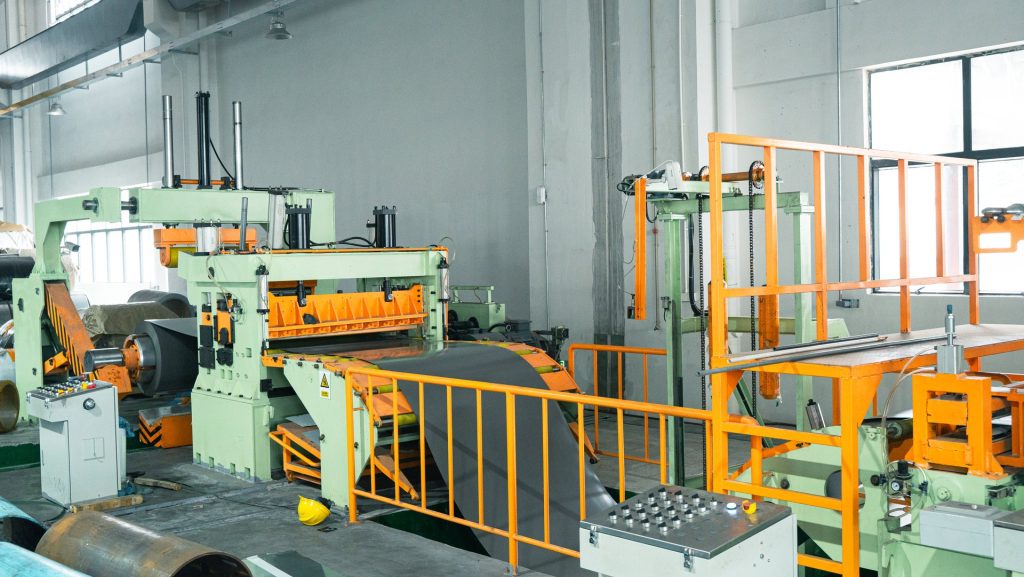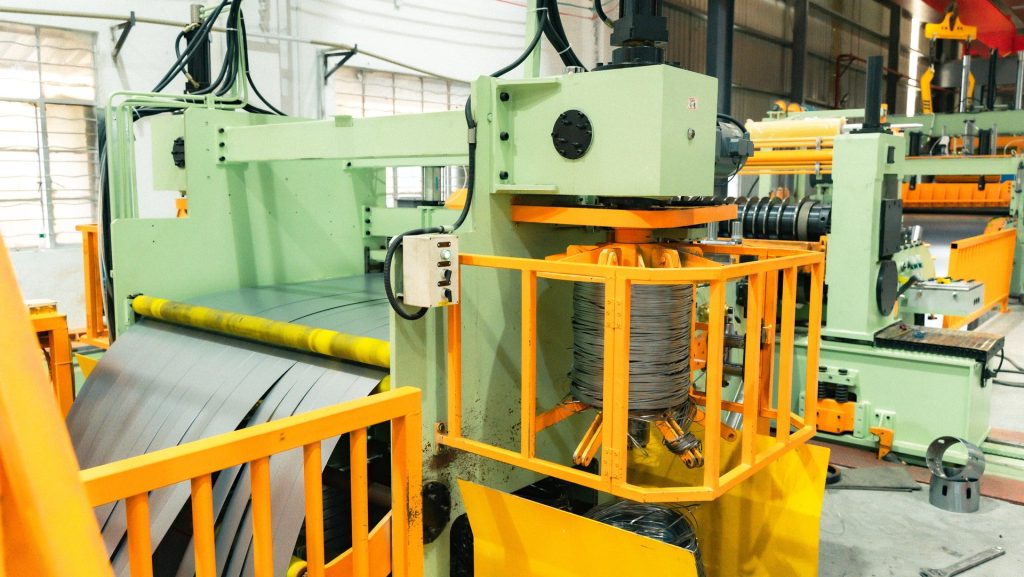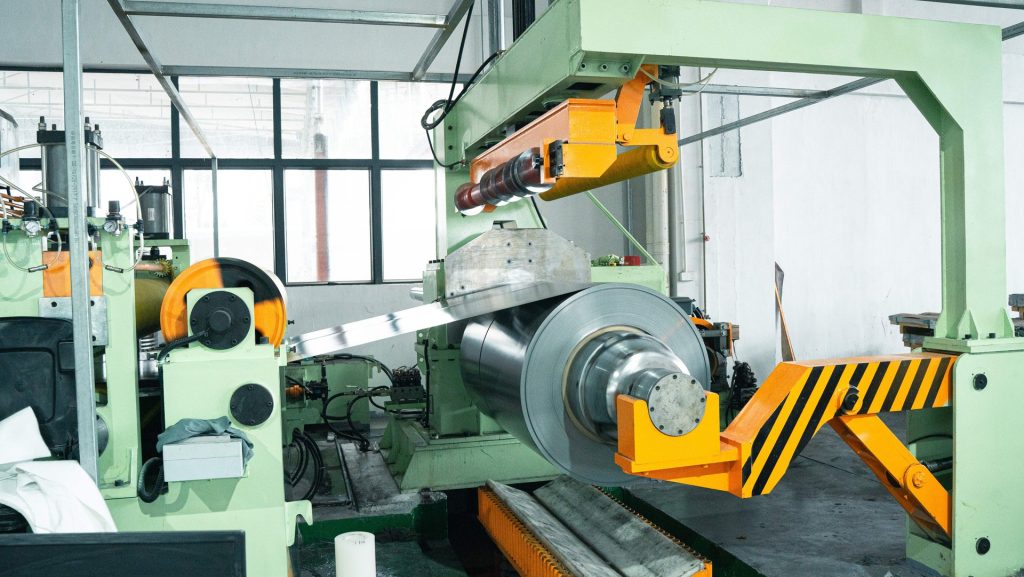
A coil slitting line changeover is complete when the next job is verified and ready for controlled production, not merely when a new tooling arrangement is installed. Material identity, strip order, winding requirements and inspection records all need to agree. Missing one of these checks can turn a fast setup into avoidable scrap or an incorrectly identified finished coil.
Use the RONGXING coil slitting line product information as the equipment reference, then adapt this checklist to the configuration and manual supplied for your line. It is a planning and verification guide, not a threading, isolation or knife-setting procedure. Only trained, authorized personnel should perform machine work under the approved site procedures.
Confirm the job before preparing the setup
Begin with the current order revision. Confirm the incoming material, required widths, number of strips, edge-trim allowance and finished coil package. Check the material identification against the job rather than relying on where a coil happens to be stored. If the order changed after the setup sheet was prepared, withdraw the obsolete version before work starts.
Check the proposed strip pattern against the measured or otherwise verified usable incoming width. Nominal width on a label is not a substitute for checking the material available for the job. Confirm which side of the line the lane sequence is referenced from. A consistent operator-side or drive-side convention prevents a correct strip list from being assembled or labelled in reverse order.
Assign responsibility for resolving discrepancies. Production should not silently choose a different strip quantity, trim allowance or tolerance to make a pattern fit. Record the agreed decision and have the affected setup and inspection documents revised together. This early coordination is often more valuable than attempting to recover minutes after an incorrect job has reached the line.
Control tooling identity and setup records
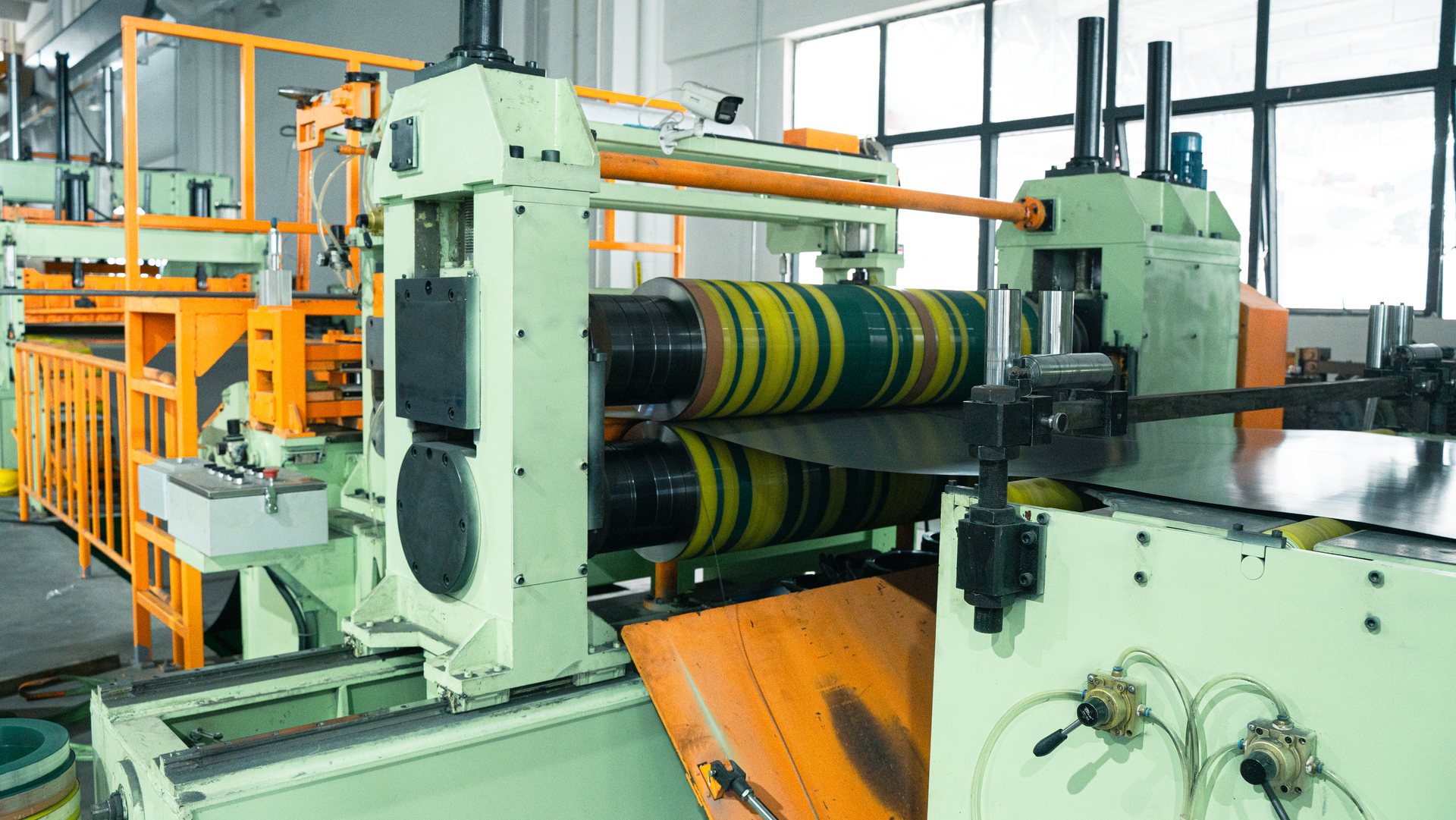
Prepare the approved tooling list for the material and strip pattern. Identify knives, spacers, separators and other job-specific items as applicable to the configured equipment. The actual condition and dimensions of the selected tooling matter; a historic setup sheet may no longer describe a mixed or reground set. Resolve uncertain identity before the changeover begins.
Keep dimensional verification separate from the decision about cutting conditions. The slitter knife clearance and overlap guide explains why one clearance value cannot be applied indiscriminately to every grade and thickness. This checklist does not supply substitute adjustment values. Use the machine and tooling instructions and the approved setup for the particular job.
After authorized setup work, record the recipe or setup revision actually used. A controller recipe name alone may not identify the physical tooling arrangement. Connect the digital record with the tooling list and order number so the next shift can reproduce the accepted setup or investigate a discrepancy without guessing which version was installed.
Review the complete strip route and scrap plan
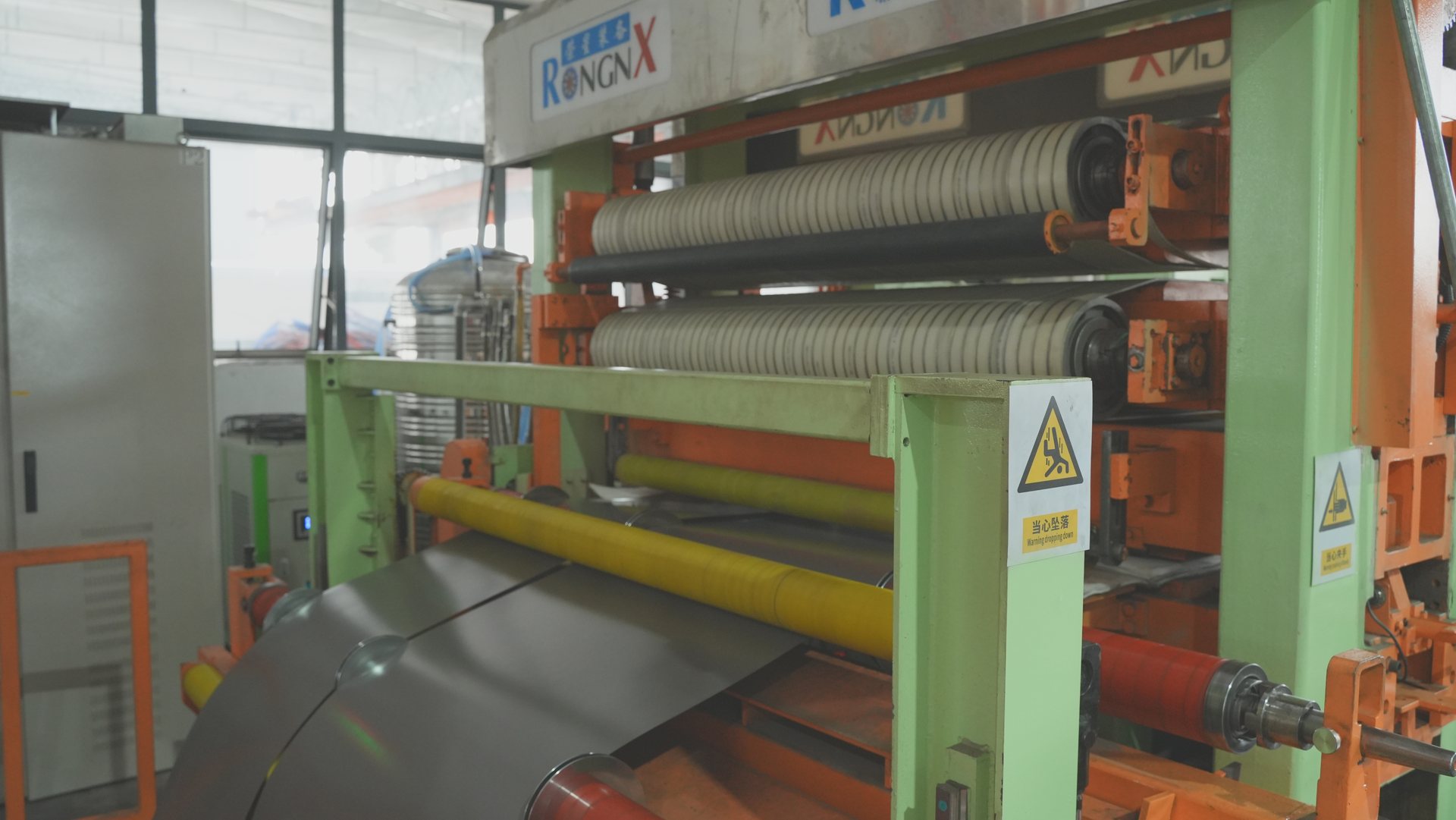
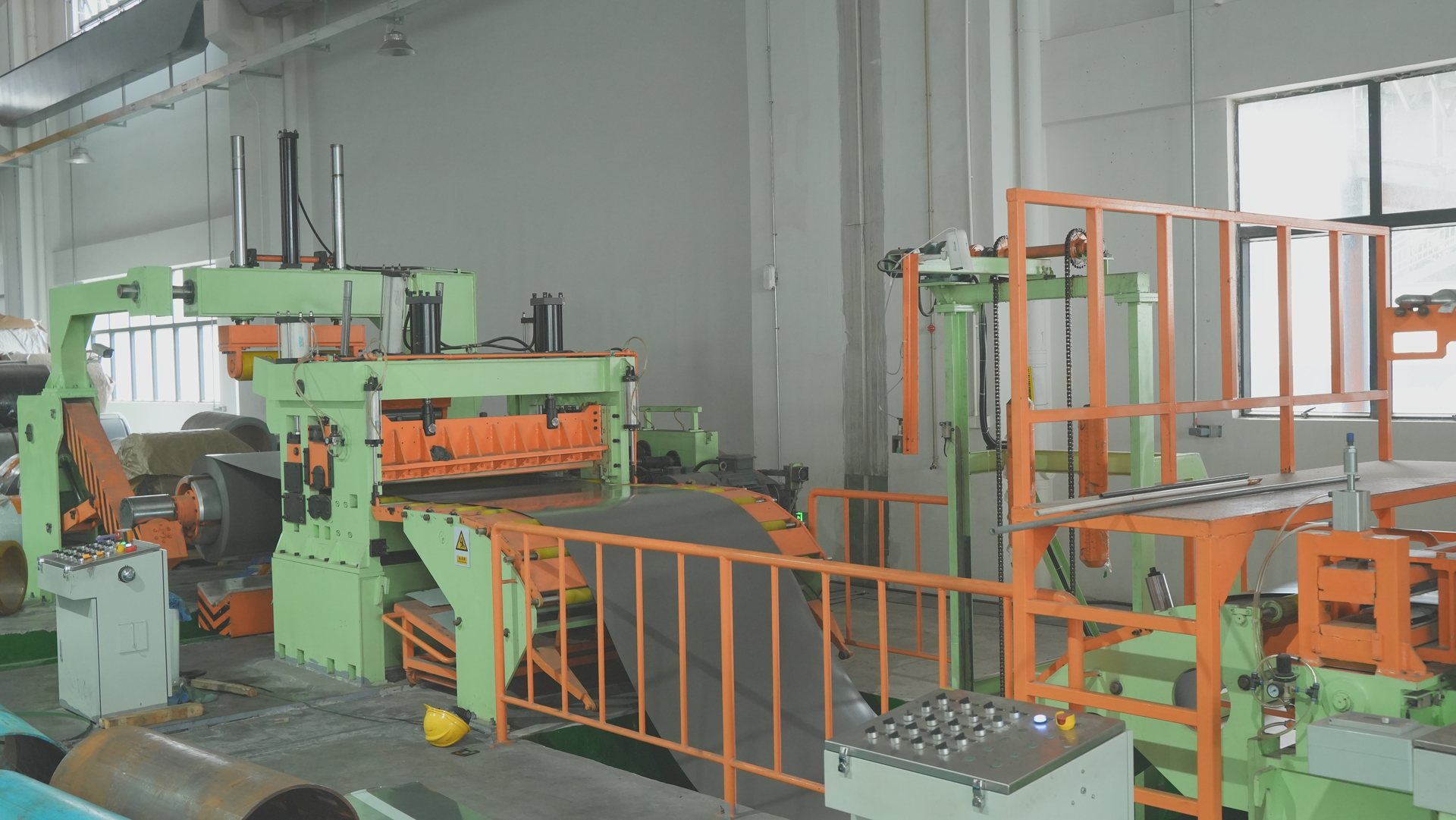
A width change can affect more than the cutting section. Review the intended strip route, separators, tension section, recoiler arrangement and finished coil identification. Confirm these against the new number and order of lanes. Any inspection inside guarded equipment or change to a component must follow the approved stopped and isolated procedure, not a visual shortcut during running.
Check that the proposed trim arrangement suits the job and the installed scrap-handling equipment. The edge trimming and scrap-handling guide provides the related planning questions. Arrange collection capacity and responsibilities in advance. Do not wait until a scrap container is full or a trim-handling problem interrupts the first production coil.
Plan first-piece checks by lane
Before the trial, agree which measurements are required and where samples will be taken. Identify every lane consistently and record the target width, permitted variation and inspection method. Include edge condition and surface appearance where the order requires them. Checking only the most convenient strip does not establish that the whole pattern is acceptable.
Use suitable, verified measuring equipment and a supported sample under the agreed inspection conditions. A curved or poorly positioned strip can give a misleading reading. Keep the raw values, not just a pass mark. The record should connect the sample to its lane, coil, job and position in the run, allowing a later result to be compared meaningfully.
If a check fails, hold the affected material and follow the site’s approved escalation process. Make only authorized corrections, then repeat the relevant inspection and record the outcome. Do not release the remaining lanes by assumption. A change that corrects one strip may require the complete pattern to be checked again before production is approved.
Include winding and finished coil checks
The first acceptable cut does not complete verification of the finished product. Observe the approved trial through the winding stage and inspect the resulting coil package as agreed. Confirm lane identification, required winding direction and the order-specific packaging requirements. Keep observations of width, edges and winding separate so a good result in one category does not conceal another issue.
For problems such as unstable winding or telescoping, use the recoiler tension and coil-quality guide to organize the discussion. It is not a reason to change tension indiscriminately. Material condition, routing and the configured winding system need a coordinated review by qualified personnel using machine-specific instructions.
Release the job and improve the next changeover
Name the person authorized to release production and retain the supporting inspection record. Record any conditions attached to that release, including additional sampling or a restricted operating point. The outgoing setup should also be closed out: identify remaining material, remove obsolete job labels and return tooling to the designated system after the required checks.
Measure changeover time by activity rather than treating it as one unexplained number. Distinguish waiting for material, tooling preparation, authorized machine work and quality approval. Improve preparation and communication first; do not reduce safety checks or remove inspection simply to produce a shorter timing result. A repeatable, accepted setup is a more useful target than an isolated fast changeover.
When planning equipment for frequent strip-pattern changes, share your representative jobs with RONGXING. Include material ranges, lane patterns and the current causes of changeover delay. Those details support a practical configuration discussion without assuming that one automation feature will resolve every production constraint.