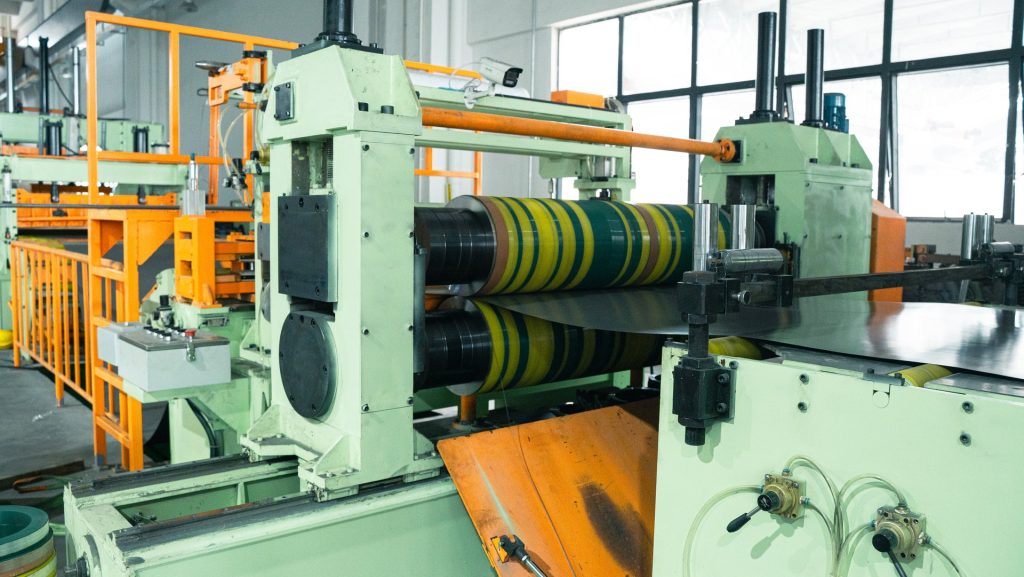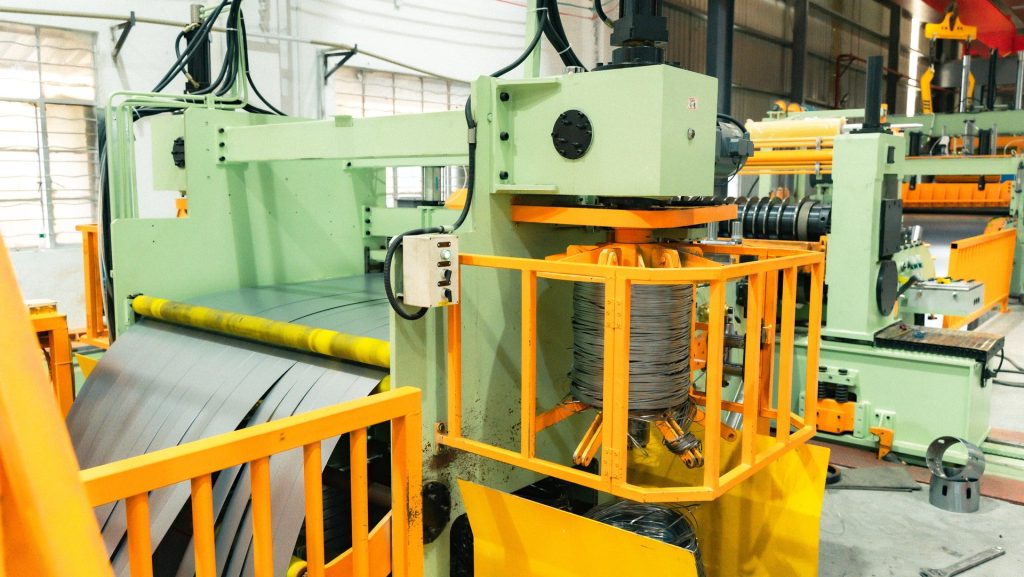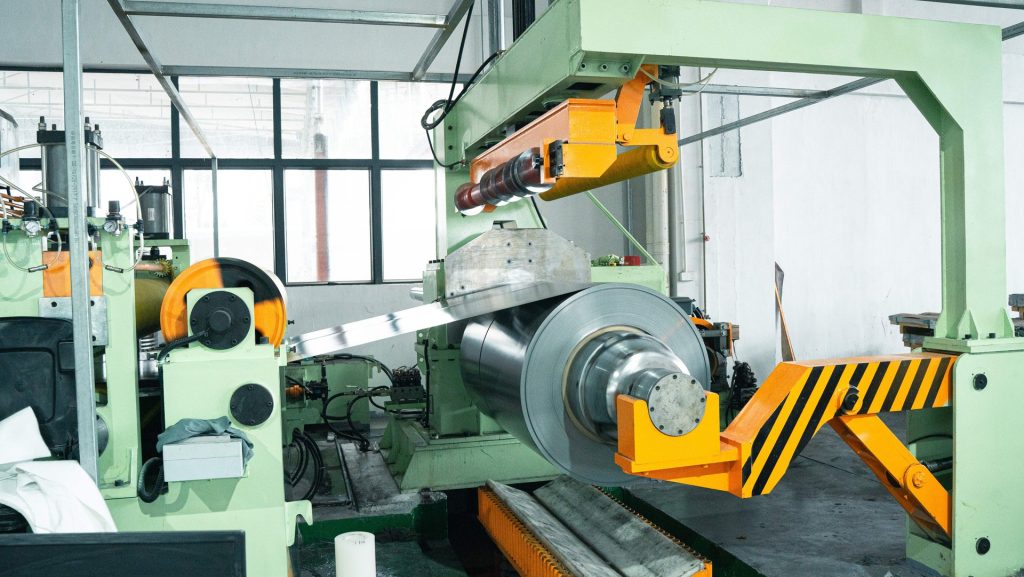
Choosing a coil slitting line manufacturer involves more than comparing maximum coil width and a quoted line speed. The equipment must process your material, produce the required strip package and fit the way your factory changes jobs. A proposal becomes useful when every major claim can be connected to a drawing, a test condition, an inspection record or an agreed delivery responsibility.
Start with the RONGXING coil slitting line as the product reference, then build a supplier comparison around your actual orders. A nominal 1650mm width class is a starting point, not proof that every thickness, strength, strip count and winding arrangement can run together. This guide explains what evidence to request before choosing a supplier.
Begin with a material and order matrix
Give each supplier the same representative jobs. For every job, identify material grade, thickness range, incoming width, coil weight, inside and outside diameters, surface condition and required finished widths. Include the number of strips and the finished coil package. Separate frequent work from occasional work, because a rarely used extreme specification should not silently become the basis of every production assumption.
Ask the supplier to mark each job as confirmed, conditional or requiring further review. Conditions may concern material strength, available tooling, the number of simultaneous cuts or the required finished coil weight. An explicit exception is more useful than an unqualified statement that a line handles everything. Keep the reviewed matrix with the proposal so purchasing and engineering compare the same production scope.
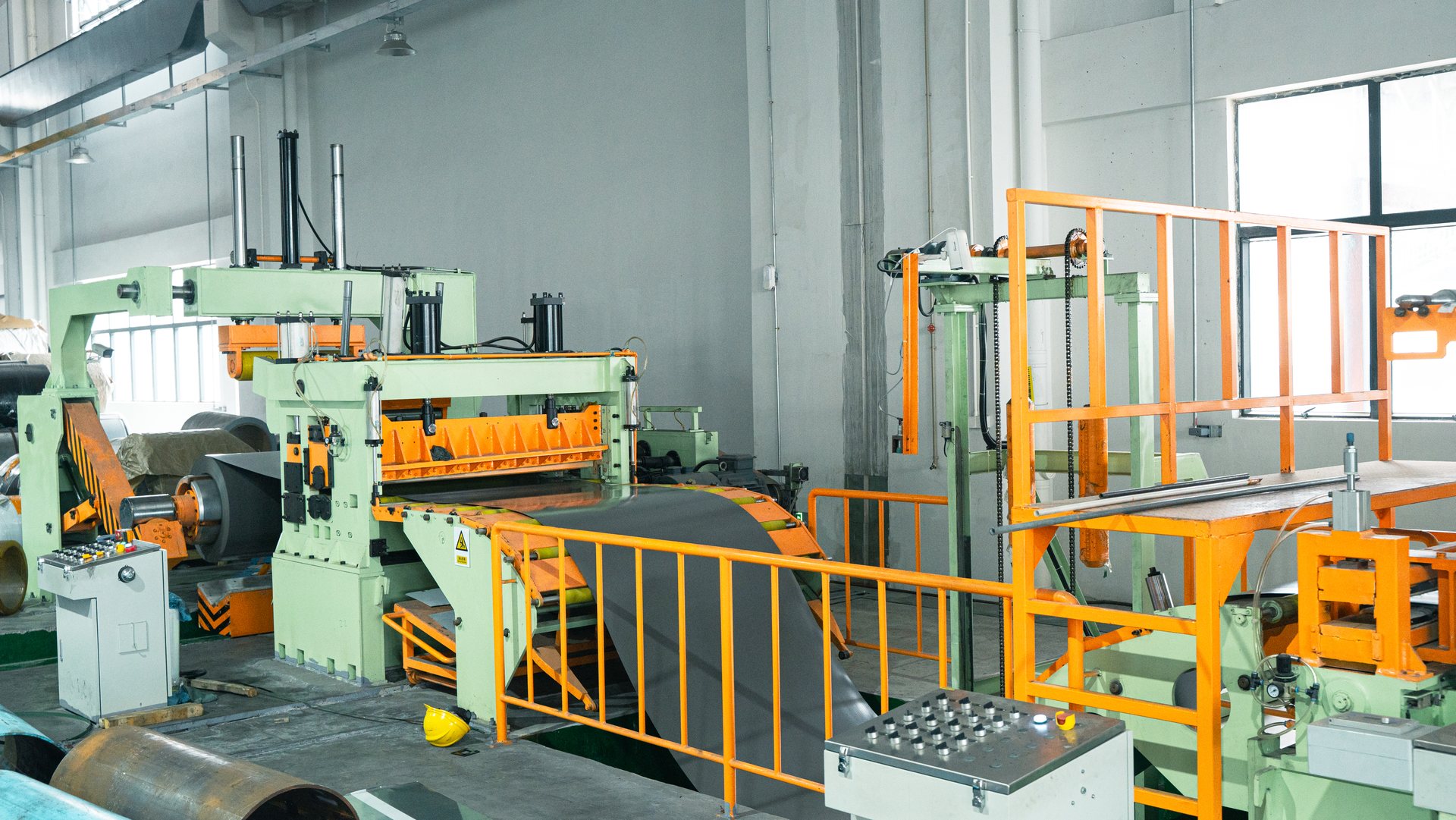
Look for evidence across the complete strip path
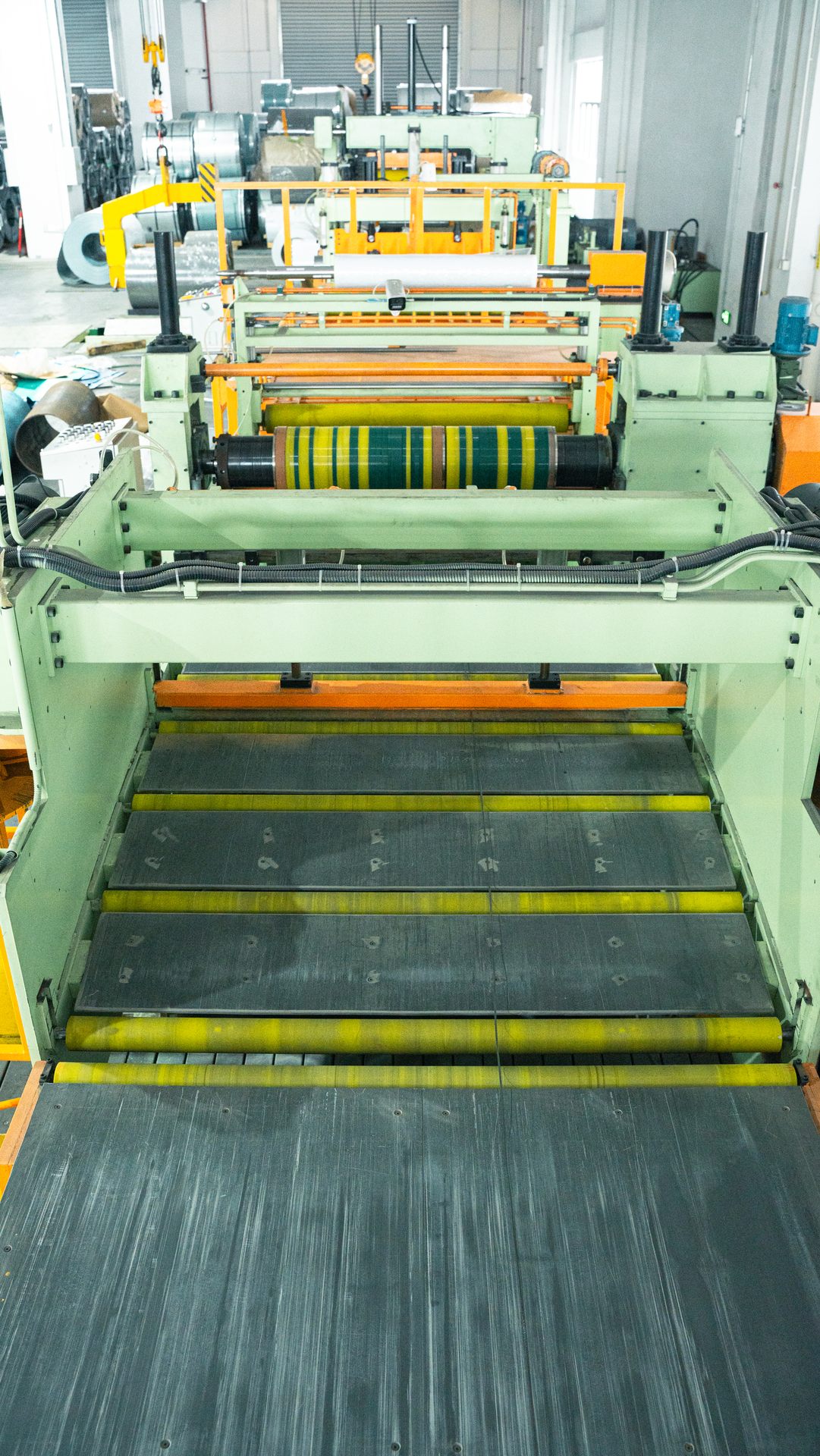
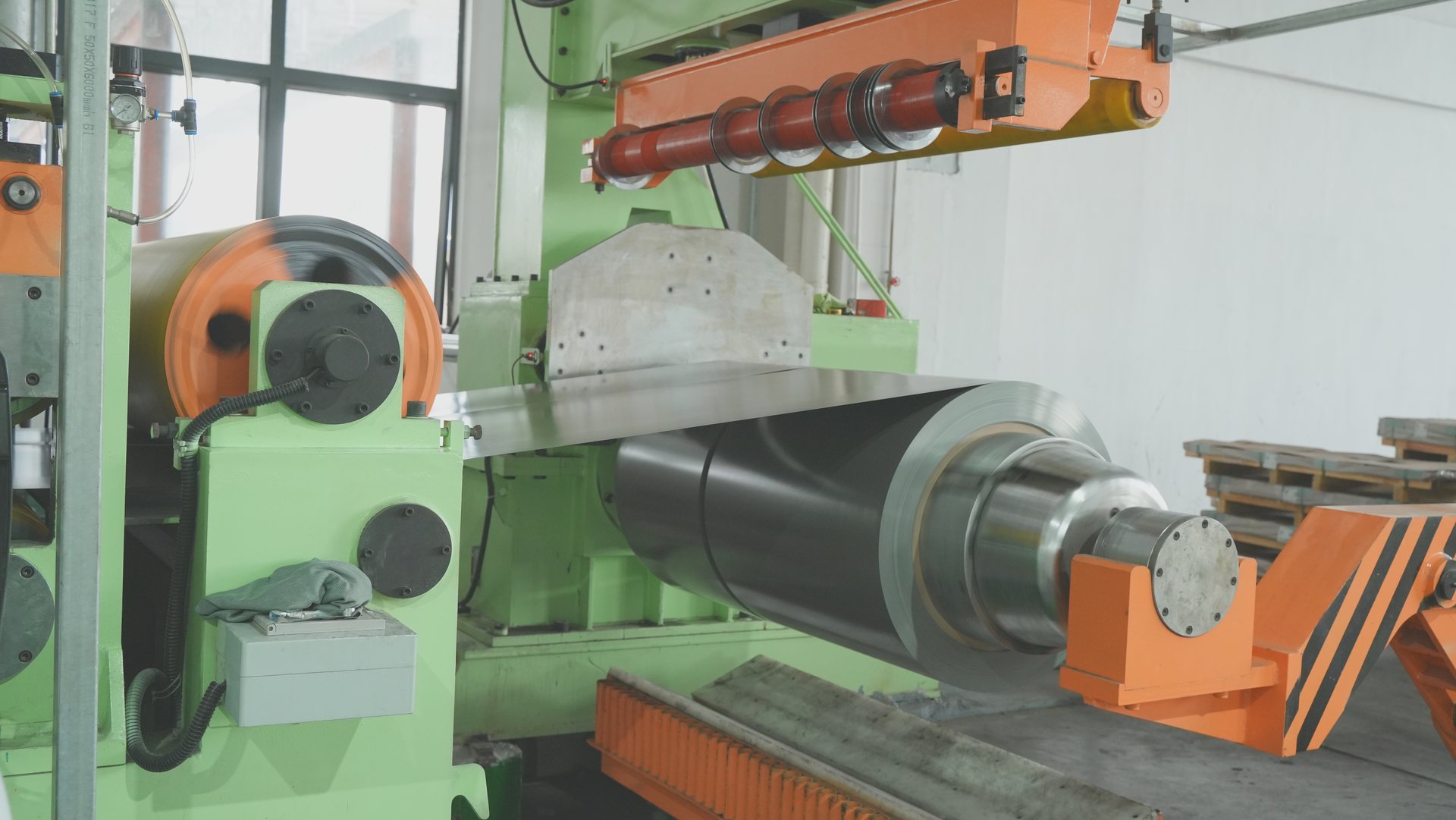
A close photograph of the slitting head cannot establish the capability of a complete line. Review how the coil is loaded, supported, guided, slit, separated, tensioned and rewound. Ask which equipment is included, which items are optional and which interfaces belong to the buyer. A layout should explain the strip route as well as the positions of major machines.
During a factory discussion, follow one representative job from incoming coil to finished coil. Ask how operators identify the material, select the approved setup and recognize an abnormal condition. Review access for authorized maintenance, the intended guarding arrangement and the provisions for collecting trim. Photographs illustrate configuration; they are not a substitute for checking drawings, operating documentation and an agreed demonstration.
Compare installation responsibilities just as carefully. Foundations, electrical supply, lifting equipment, utilities and local compliance work need named owners. Avoid treating an attractive workshop picture as evidence that these site-specific requirements have already been resolved. Your factory layout and local obligations still require a project review.
Compare the included scope before comparing price
Two prices may describe substantially different supply packages. One may include the tooling needed for your first strip patterns, while another may quote only a basic knife set. Coil cars, scrap handling, spare wear parts, documentation, commissioning and training also affect the delivered scope. Mark each item as included, excluded or subject to a separate quotation.
Use the existing slitting line price and RFQ guide for the commercial checklist. In the manufacturer evaluation, concentrate on whether the supplier can explain why each proposed item is appropriate. A larger component list does not automatically mean a better match. The goal is a complete, understandable package that supports the agreed jobs without hidden interfaces.
Agree how strip quality will be demonstrated
Define the acceptance evidence before the trial. Finished width, edge condition, surface appearance and winding quality should have separate requirements. Record the material, tooling arrangement, inspected lanes and sampling locations. A demonstration using an easy material and a small number of strips does not prove every combination in the proposed operating range.
For edge quality, request a documented setup method rather than one universal clearance value. Material and tooling conditions matter, as explained in the knife clearance and burr-control guide. For winding, agree which coil features will be inspected and at what stage. A neat outer wrap alone does not reveal every condition inside a finished coil.
The test report should distinguish observed results from contractual guarantees. If a trial uses substitute material, identify the substitution and the remaining confirmation required. Ask to retain the inspection method, representative sample identification and relevant production settings. These records help both parties investigate later differences without relying on memory or promotional video alone.
Check service capability and usable documentation
Support is easier to evaluate through deliverables than broad promises. Request the proposed manual structure, electrical documentation, spare-parts identification and training coverage. Clarify the contact route for a technical issue, what information the service team needs and how remote and on-site assistance are arranged. Do not assume a response time or warranty term that is absent from the written agreement.
Ask how recurring inspections are recorded and how approved maintenance intervals are established. The coil slitting maintenance rules provide a useful starting point for organizing responsibility and records. Machine-specific instructions must still govern isolation, inspection and adjustment. A general website article should never replace the supplied manual or authorize work on moving equipment.
Make the supplier decision traceable
Create a short comparison sheet covering material fit, quality evidence, included scope, installation interfaces and support. Attach an evidence reference to each important score. An unanswered technical question should remain open rather than receiving a positive score because the quotation looks professional. Separate mandatory requirements from preferences so one attractive feature cannot conceal a critical limitation.
Before ordering, resolve exceptions and identify the documents that form the agreed specification. Keep a change record if your strip mix or coil package changes later. This makes the purchase decision easier to defend and gives commissioning a clear target. It also helps prevent the acceptance test from becoming the first occasion when buyer and manufacturer discover that they expected different things.
To discuss a project, send RONGXING your material and strip requirements. Include a few representative jobs, the proposed factory location and any unresolved quality questions. The useful next step is a configuration review with defined evidence and boundaries, not an unsupported promise based only on a machine name.