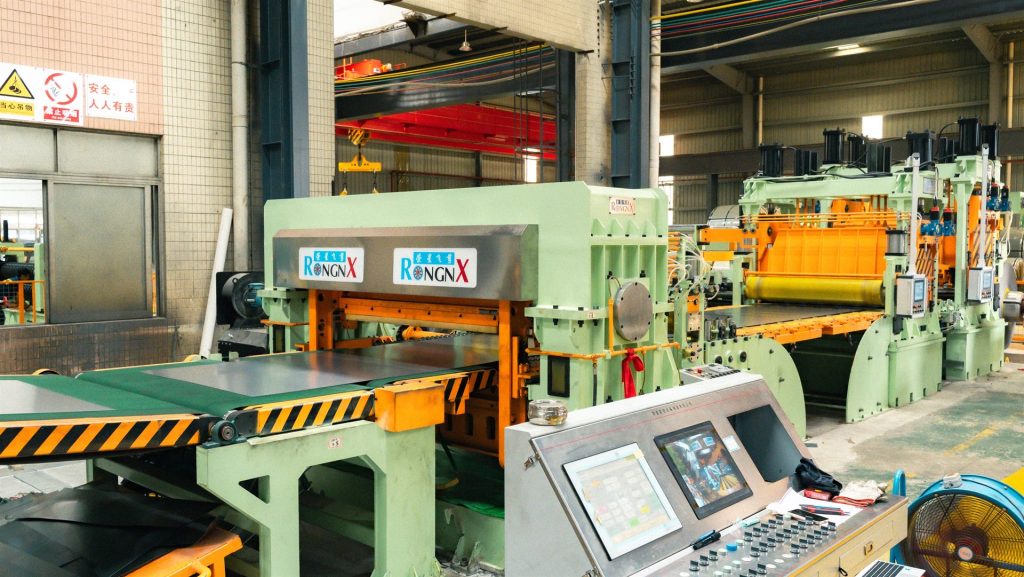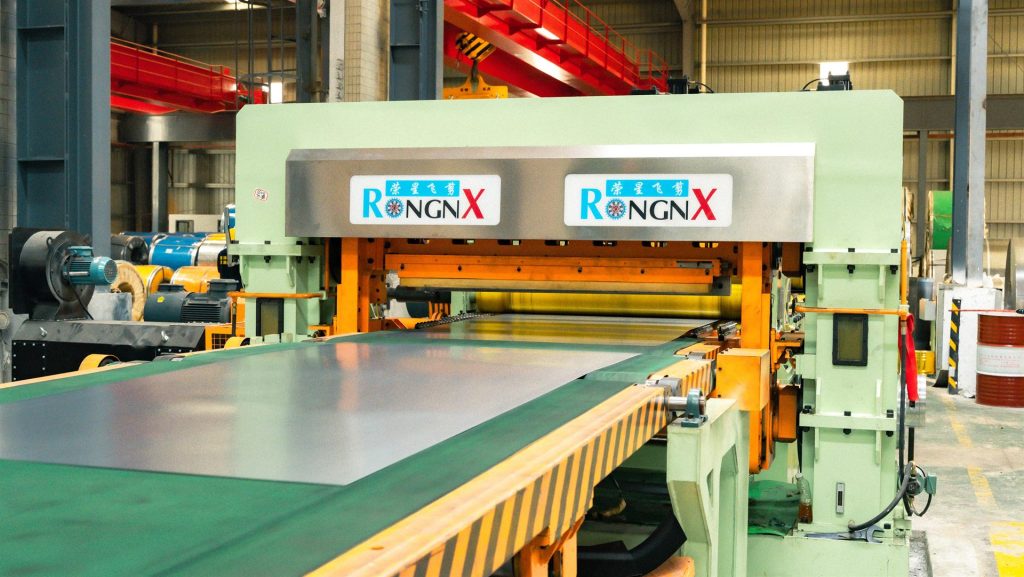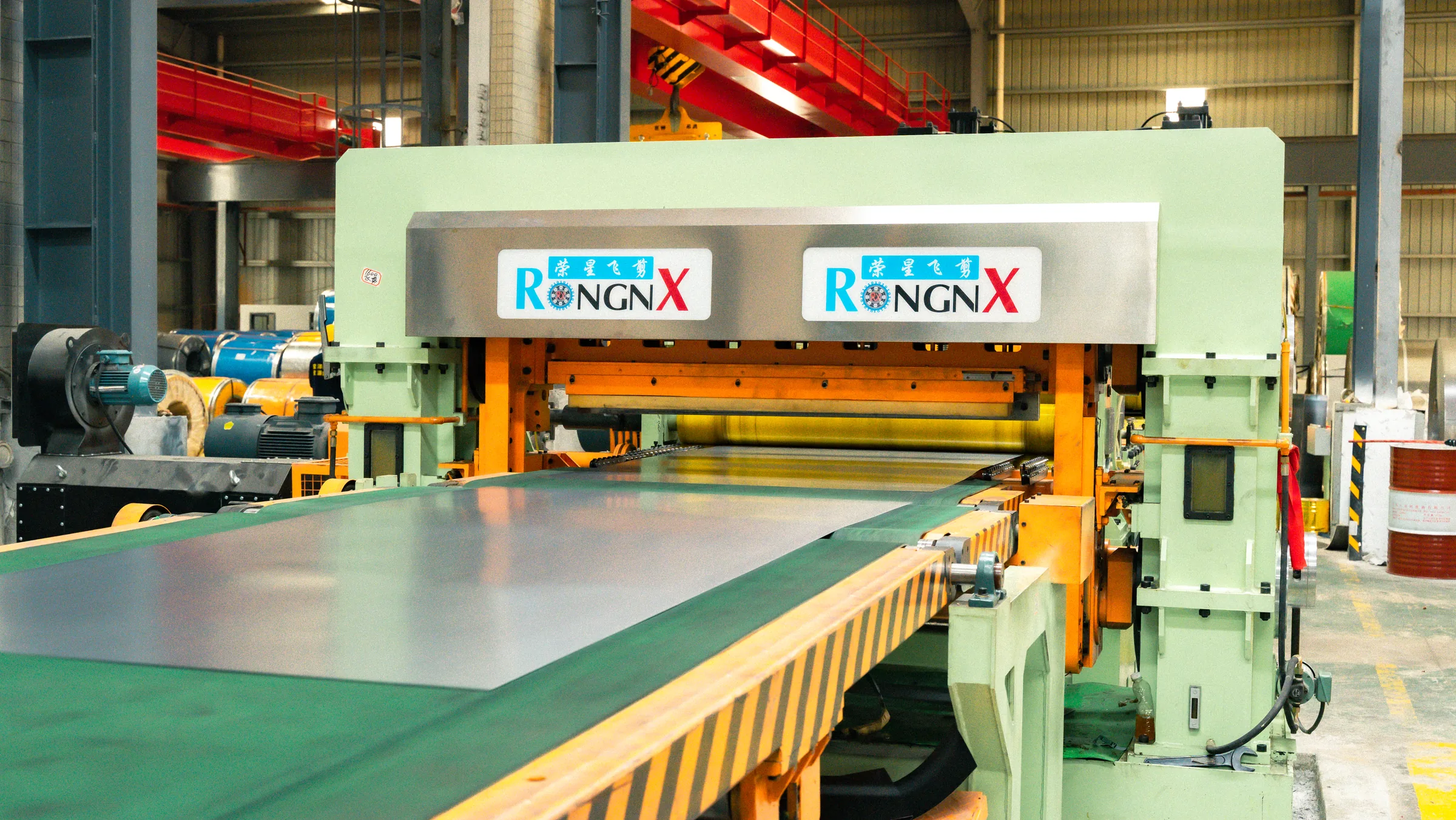
On a flying shear cut-to-length line, cutting accuracy cannot compensate for strip that reaches the shear with residual coil set or crossbow. The leveler prepares the moving material for measurement and cutting, so its setup affects flatness, feeding stability, stacking and the consistency of later forming operations.
Flatness begins with the incoming coil
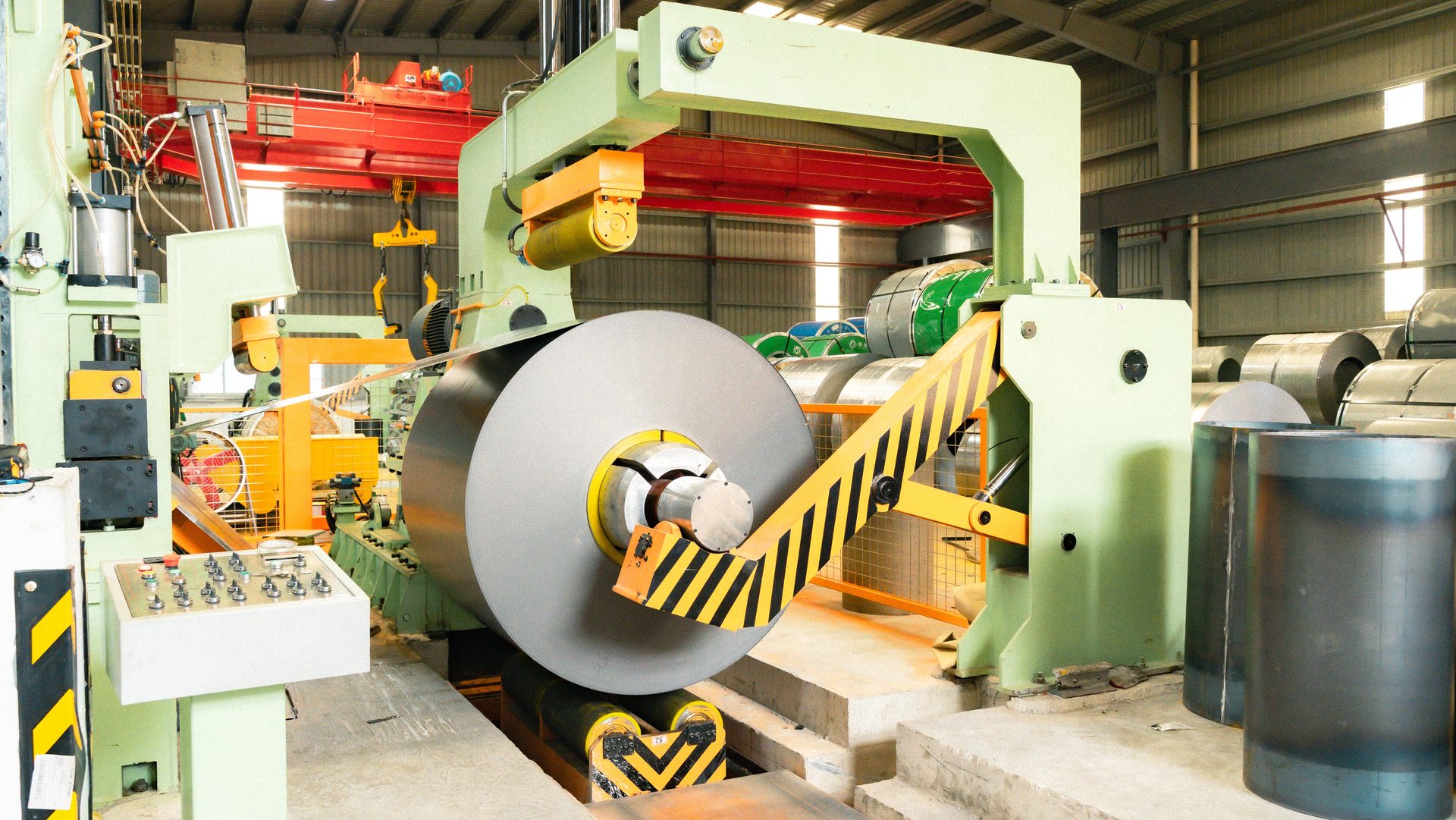
Two coils with the same width and thickness may behave differently because grade, yield strength, previous winding tension and storage history change the material response. Before production, the operator should confirm coil identity, surface condition and the approved thickness range, then observe how the leading strip enters the guides and leveler. Poor centering, unstable payoff or excessive tension can introduce variation that downstream adjustment cannot fully remove.
The uncoiling section must release the strip smoothly and keep it aligned. On wider material, the structure and guiding arrangement also matter; the 1650mm Flying Shear line is therefore reviewed as a complete material-handling and leveling system rather than only by nominal width.
Leveler settings must match the material
Leveling rolls repeatedly bend the strip in decreasing amounts to reduce the curvature retained from the coil. The correct penetration and support settings depend on material strength and thickness. Too little correction leaves coil set; too much can mark the surface, increase load or create another shape defect. A sound setup begins conservatively, checks a representative sheet on a suitable reference surface and adjusts in controlled steps.
Flatness should be checked across the sheet and along its length, not at one corner. The result should also be reviewed together with length and diagonal because strip movement influences several measurements at once. The guide to flying-shear synchronization and cut accuracy explains why stable travel and reliable encoder feedback remain important after leveling.
Verify the complete production recipe
The acceptance sample should represent the actual material, thickness, width and finished length. After an initial sheet is measured, the line should run long enough to show that the setting remains stable as coil diameter and production conditions change. Operators should record the approved recipe instead of relying on an untraceable hand adjustment.
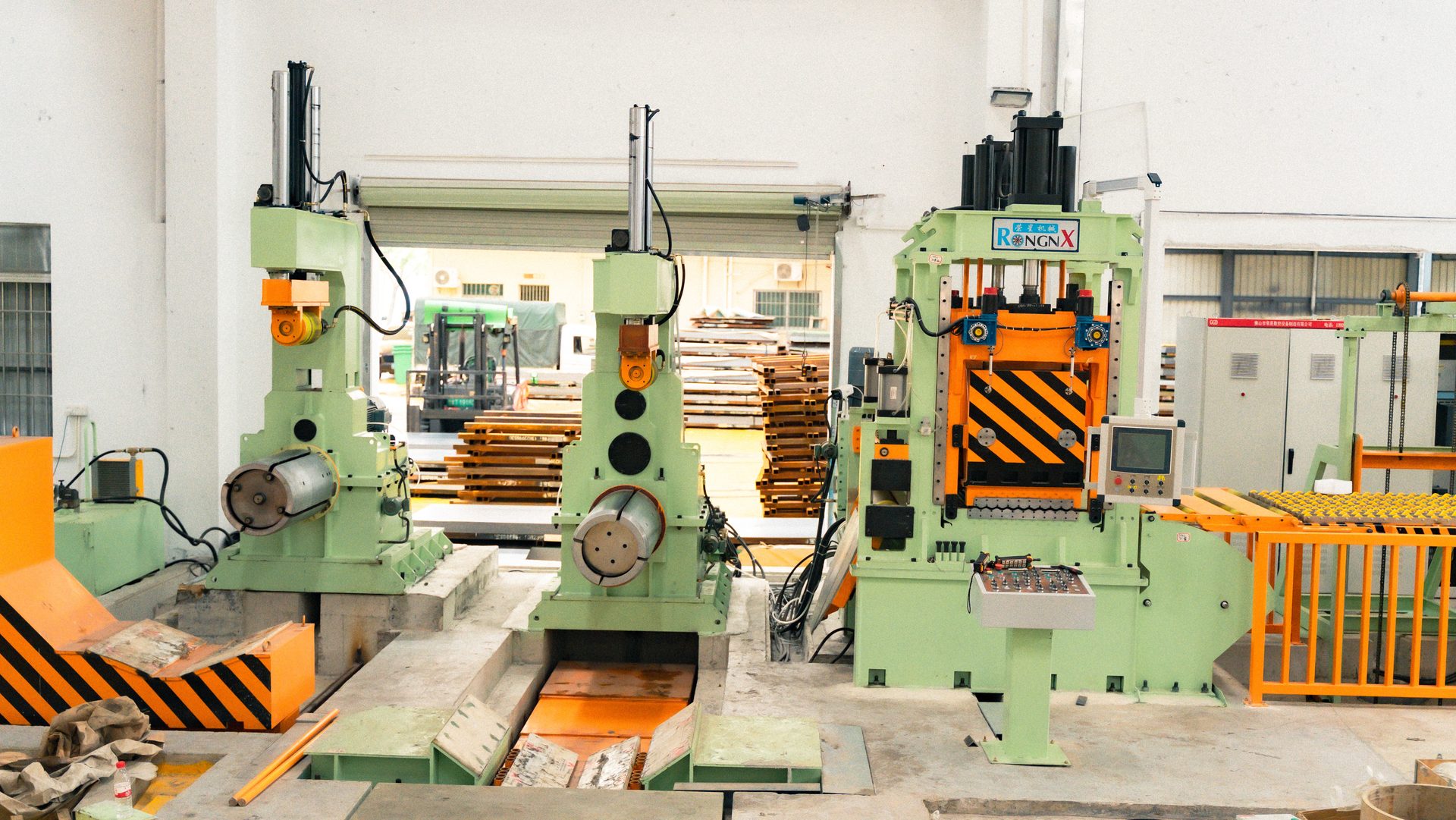
For medium-width production, the 1350mm Flying Shear line provides a reference configuration, but final roll design and settings remain project-specific. To review a new application, send RONGXING the coil grade, thickness range, width and required flatness together with representative sample information.