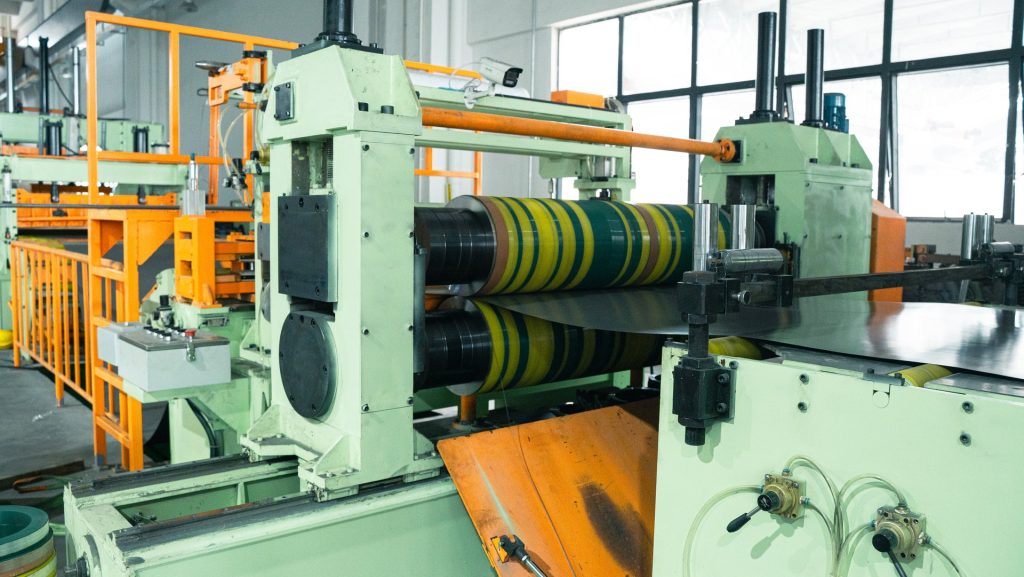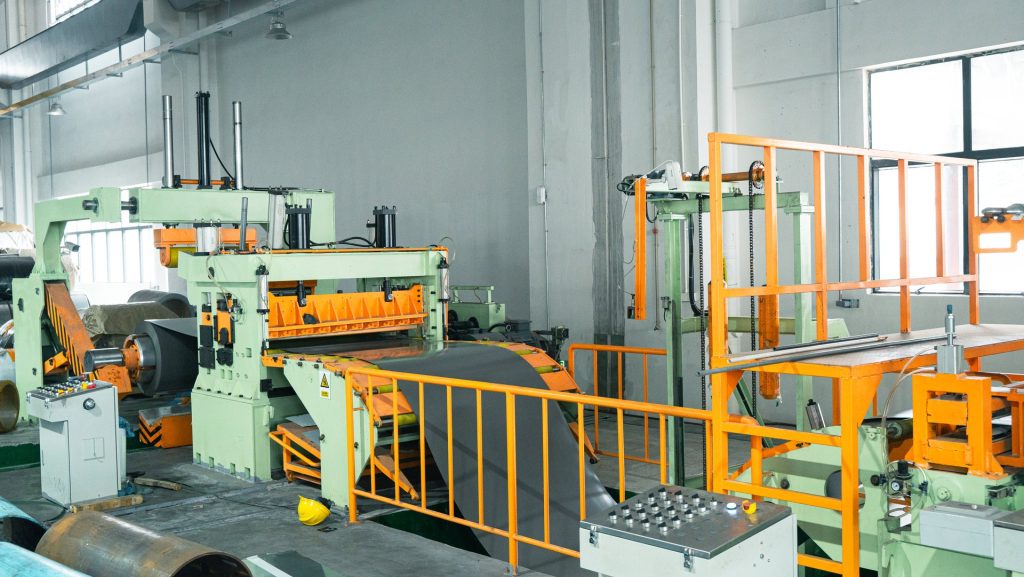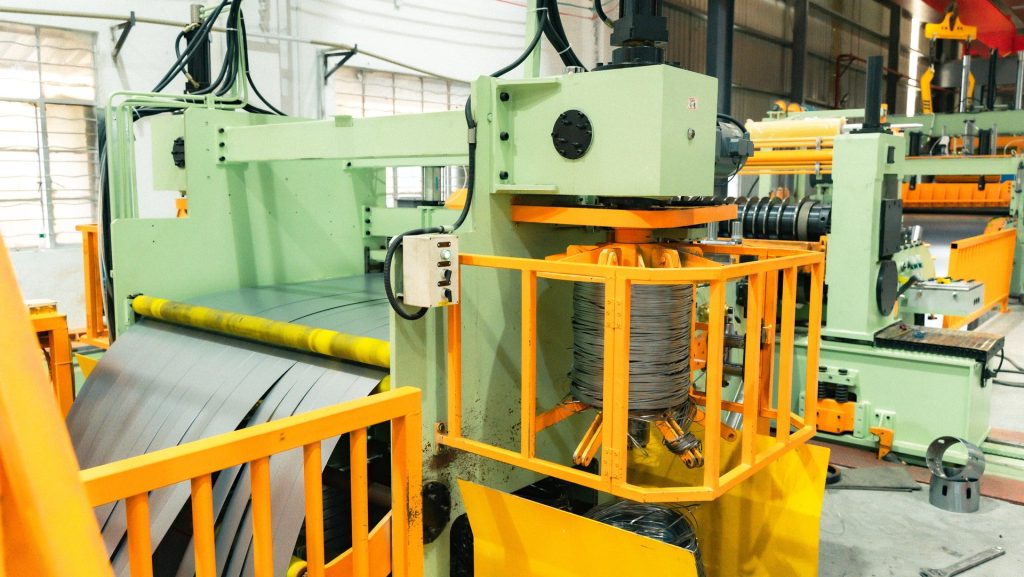
A search for a coil slitting line price often begins with a simple purchasing question: how much will the machine cost? A responsible quotation cannot begin with one generic number, because two lines with the same nominal width may have very different duties. Material strength, thickness range, coil weight, finished-strip plan, edge requirement, recoiling method, automation, workshop layout and acceptance scope all change the equipment that must be designed and supplied.
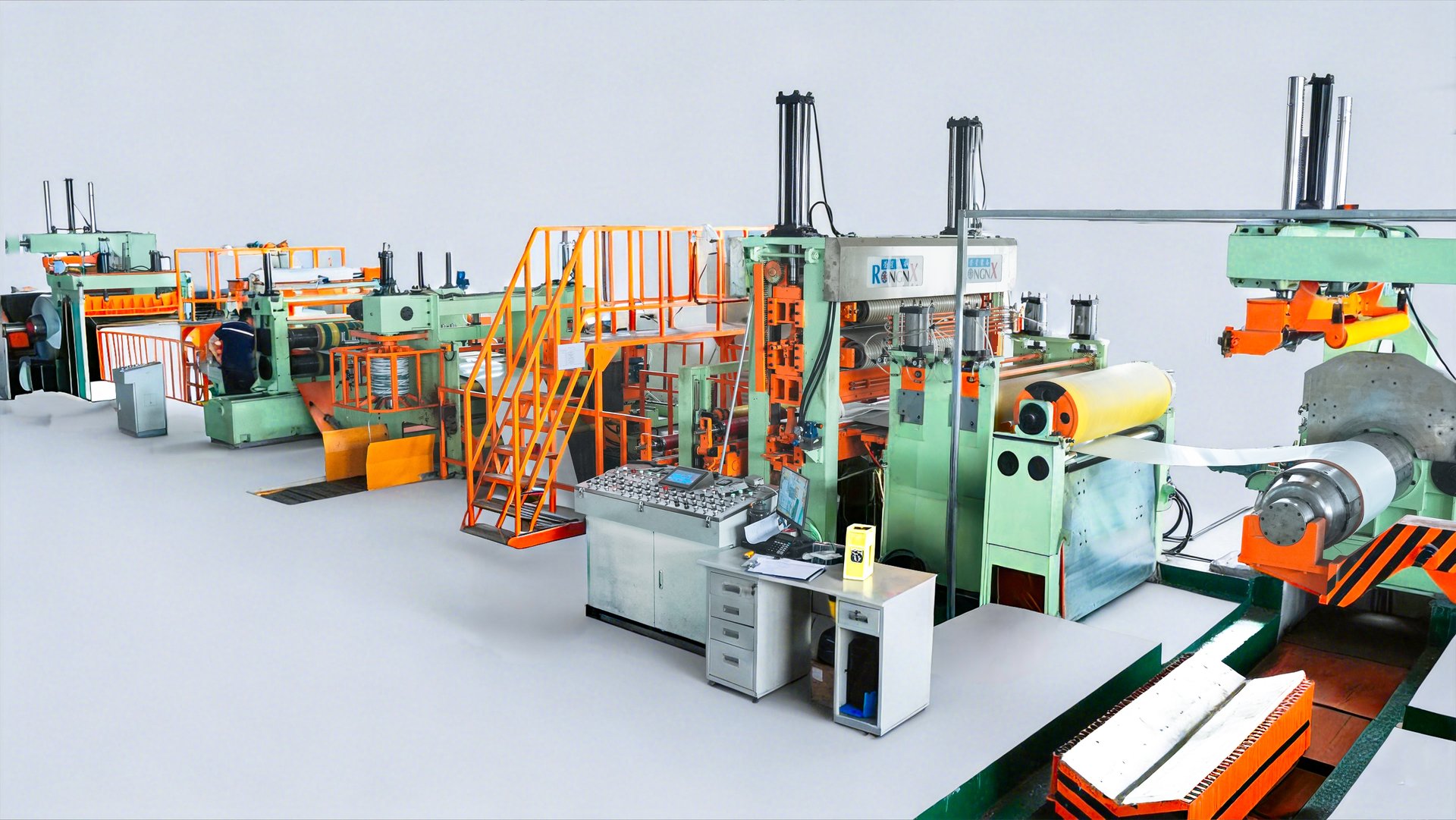
The most useful first step is to define the production case. A clear technical package produces a quotation that is easier to compare and less dependent on assumptions. The RONGXING coil slitting line page gives the product context; the checklist below explains the information needed for review.
A machine width does not define the complete price
Line width is only one boundary. The supplier also needs the minimum and maximum material thickness, steel grade or alloy, yield-strength range, master-coil inner and outer diameter, maximum coil weight and surface condition. A line processing thin coated strip has different handling priorities from one processing stronger or thicker hot-rolled material, even when both coils have the same width.
These inputs affect the uncoiler, entry guides, pinch and feeding sections, slitter shafts, tooling, drive capacity, scrap system, tension method, separator arrangement and recoiler. They also affect the structure required to keep those sections aligned under load. Quoting from width alone can hide a mismatch: an apparently inexpensive line may not cover the real coil weight or the difficult end of the material range.
Buyers should distinguish normal production from the absolute operating envelope. List the products that will run every week, then identify occasional maximum cases separately. Maximum width, thickness, strength and coil weight do not necessarily occur in one coil. Combining unrelated maximum values can produce an oversized design, while omitting a real difficult combination can produce a line that cannot meet the intended duty.
The finished-strip plan determines tooling and recoiling scope
The output specification is as important as the incoming coil. Provide representative strip plans showing the number of strips, each strip width, trim allowance, required width tolerance, edge or burr expectation, finished-coil inner diameter, maximum outside diameter and target coil weight. If several plans are common, include more than one; a single easy arrangement may not reveal the maximum tooling or tension duty.
Narrow-strip count influences knife and spacer quantity, separator tooling, strip organization and recoiler behavior. Tooling material, spare knives, rubber rings, spacers and storage arrangements may be part of the initial supply or treated as optional items. The quotation should state which tooling is included and which strip plan it supports. It should also explain whether the buyer will receive an arrangement record or another repeatable setup method.
Quality language must be measurable. Terms such as “high precision,” “small burr” or “tight winding” are not acceptance criteria by themselves. Define how strip width will be measured, where samples will be taken, how burr will be evaluated, whether camber is controlled, and what finished-coil condition is required for the next process. The article on how a coil slitting line works shows why cutting, tension and recoiling must be assessed as one connected process.
Handling, automation and layout can change the project substantially
Coil loading and unloading are major parts of the operating cycle. The RFQ should describe the workshop crane or forklift capacity, coil storage direction, loading side, desired pass line and available floor space. State whether a loading car, coil support, hold-down device, turnstile, finished-coil car or additional handling equipment is required. These decisions affect foundations, guarding, operator access and material flow.
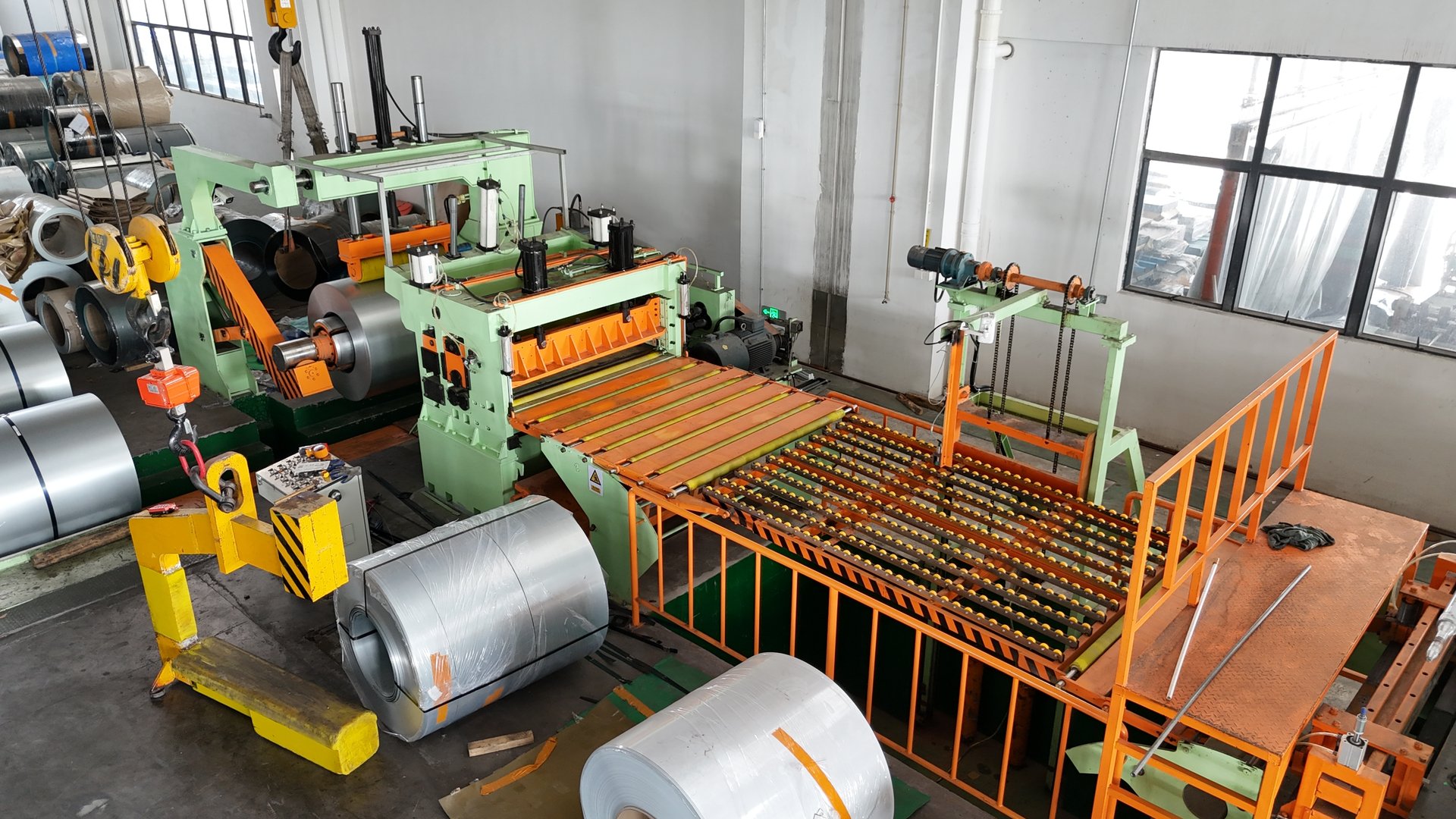
Automation should also be described by function. A buyer may need recipe storage, production records, drive diagnostics, automatic positioning or integration with upstream and downstream systems. Another project may prefer a simpler operating approach with controlled manual setup. Brand preferences, local electrical standards, plant voltage, available utilities and data-interface requirements should be listed rather than assumed.
The lowest equipment price is not always the lowest installed cost. Missing foundations, utilities, lifting equipment, commissioning, training or spares can reappear later as unplanned items. A comparable quotation should separate the base line, tooling, options, site work, transport boundary and service.
Process quality depends on details that are easy to omit
Entry guiding, tooling condition, scrap discharge and strip tension are not accessories. If the strip enters the slitter at an angle, the finished product can suffer even when the knives were assembled correctly. If edge scrap cannot leave the cutting area reliably, production may stop or the finished strips may be damaged. If tension is unstable, an acceptable slit edge can still end as a loose or telescoped coil.
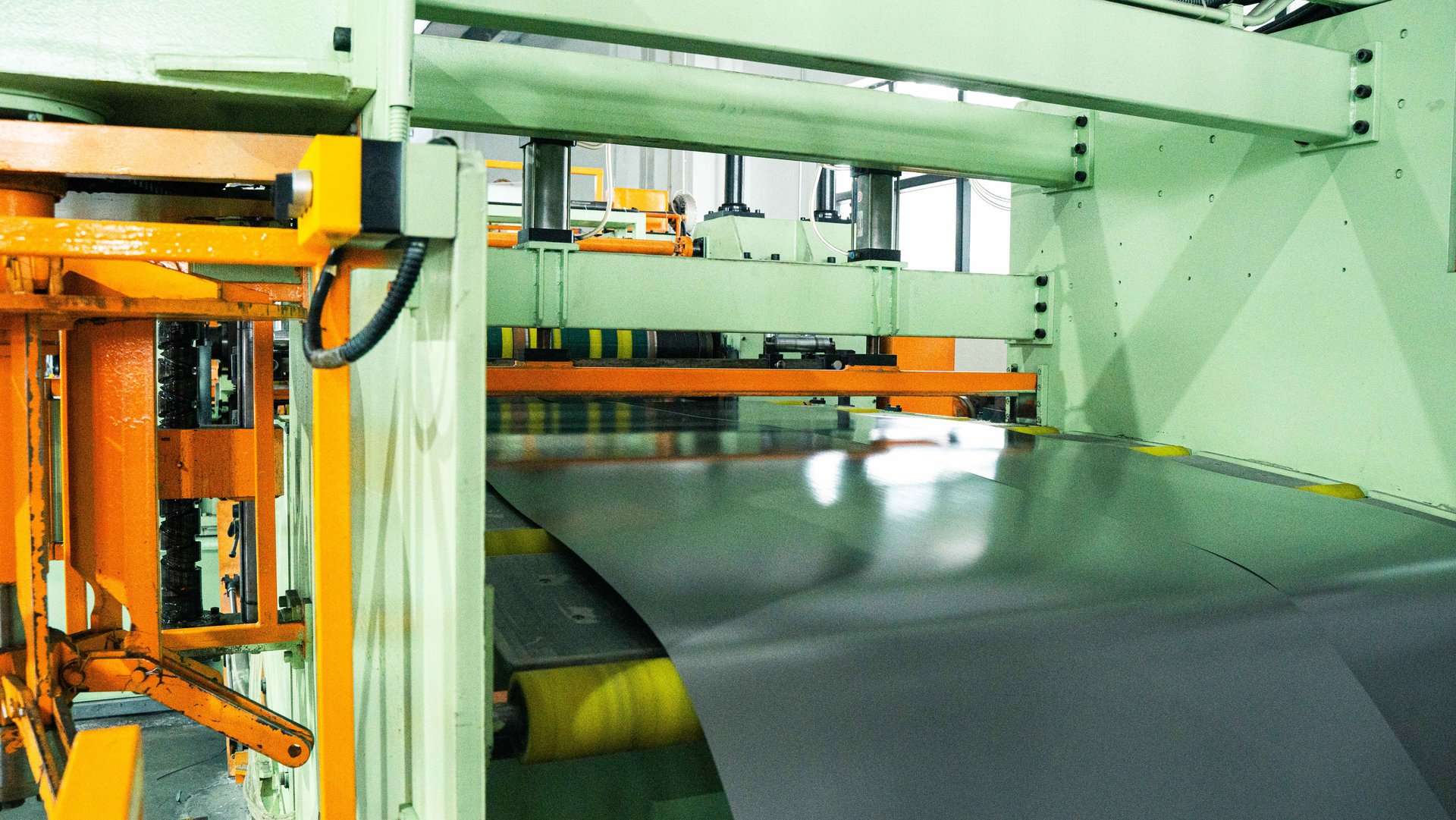
The RFQ should identify surface-sensitive products, coating types and restrictions on contact materials. It should describe scrap handling, separator expectations and finished-coil protection. Tooling change, cleaning, lubrication and inspection must be possible without unsafe improvisation. RONGXING’s slitting-line maintenance guide provides useful subjects for the maintenance discussion.
Compare quotations by scope, evidence and acceptance method
Before comparing prices, normalize the scope. Check whether each supplier used the same material range, coil weight, strip plans, finished-coil requirement, tooling quantity, automation level and service boundary. Record every exception and assumption. A lower quotation may simply exclude a loading car, spare tooling, installation, commissioning or a difficult product that another supplier included.
Ask how the proposed line will be verified. A factory acceptance test should use representative material and an agreed strip plan whenever practical. The parties should confirm which dimensions and quality characteristics will be measured, the sampling method, the run condition and the documents that will be retained. Site acceptance should cover installation, safety checks, utilities, operator instruction and the agreed production confirmation.
Long-term support belongs in the purchasing decision. Clarify documentation language, electrical drawings, spare-parts identification, remote diagnostic arrangements and the boundary between supplier and buyer responsibilities. The RONGXING service page outlines the stages that can be discussed for installation, commissioning and ongoing support.
A complete RFQ can be concise when its data are organized. Include the coil table, representative strip plans, finished-coil requirements, sampling method, workshop drawing, utilities, automation expectations, delivery destination and acceptance scope.
This information does not force a buyer to select the most complex line. It allows the supplier to identify where capacity is necessary and where a simpler configuration is sufficient. To prepare a project review, use the RONGXING contact form and attach the actual coil and strip data rather than requesting a price from width alone.