Engineering Decisions Behind Slit Width, Edge Quality, and Recoiling
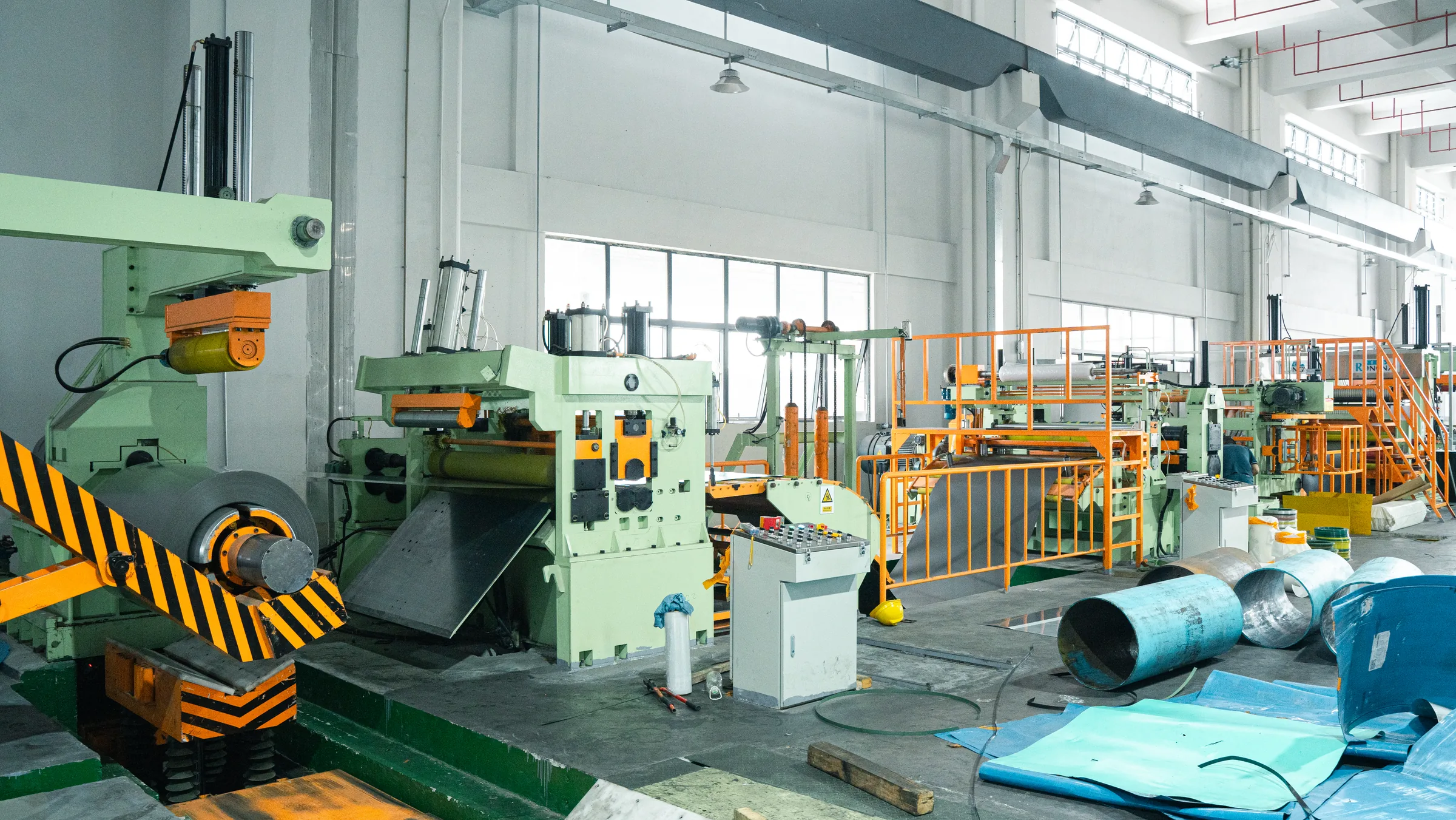
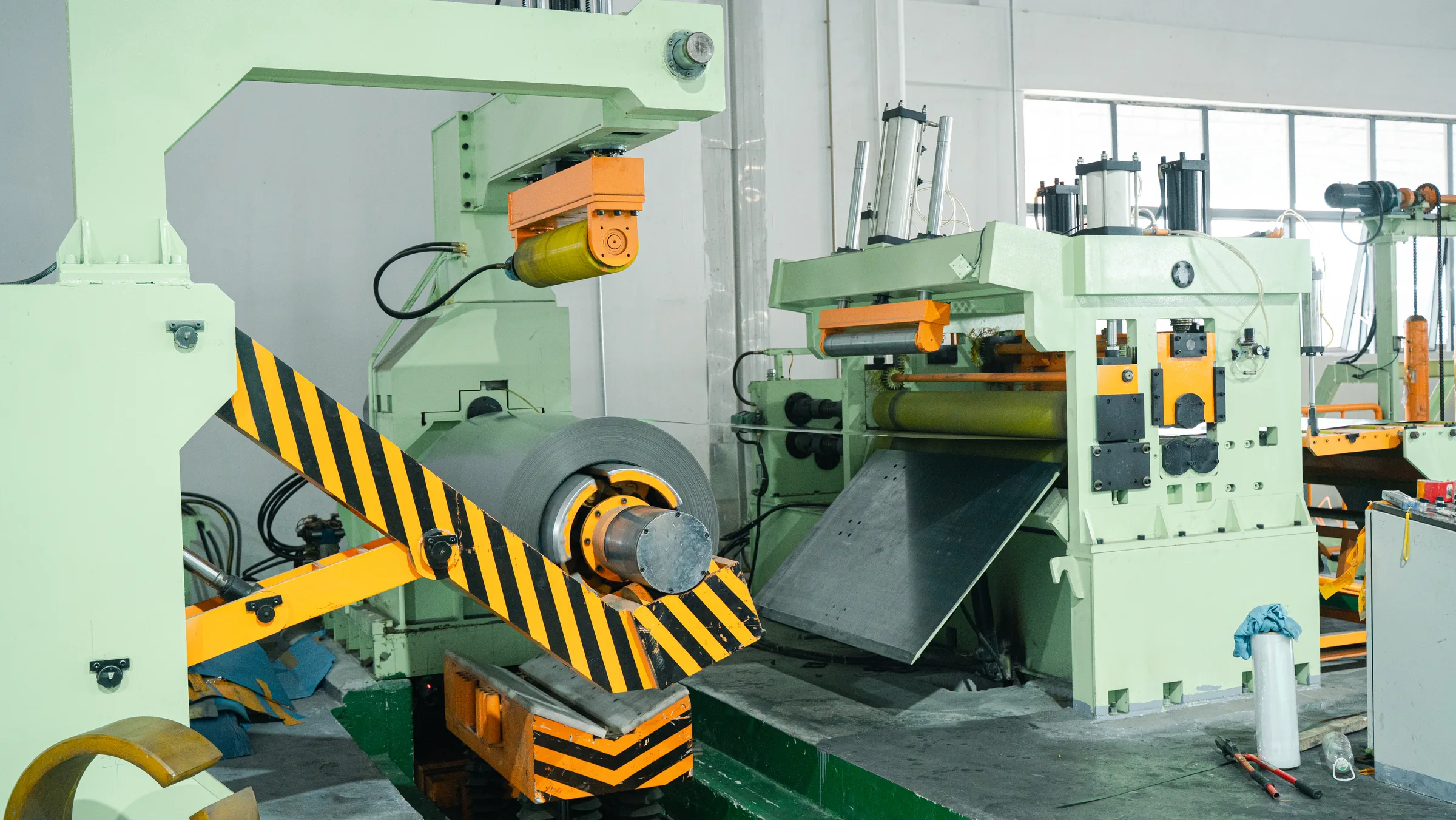
The slitter head is only one part of the result. Tooling, strip plan, tension, surface handling, recoiling, and operating procedure must be configured as one production process.
Strip plan and line loading
Review every strip width, quantity, tolerance, scrap width, material strength, thickness, and the most demanding combination—not only the master-coil width.
Knife clearance, overlap, and spacers
Knife material, diameter, condition, side clearance, vertical overlap, spacer accuracy, and shaft alignment must match the actual material and edge requirement.
Knife changeover procedure
A controlled sequence for tooling identification, cleaning, arrangement, tightening, runout checks, trial cutting, and recordkeeping reduces setup variation.
Burr and edge quality
Burr, rollover, fracture, camber, and width consistency are influenced by material condition, tooling setup, alignment, speed, tension, and knife wear.
Speed versus material and strip count
Target speed should be checked with strength, thickness, strip count, minimum strip width, scrap behavior, tension method, recoiling, and downstream handling.
Surface-sensitive material handling
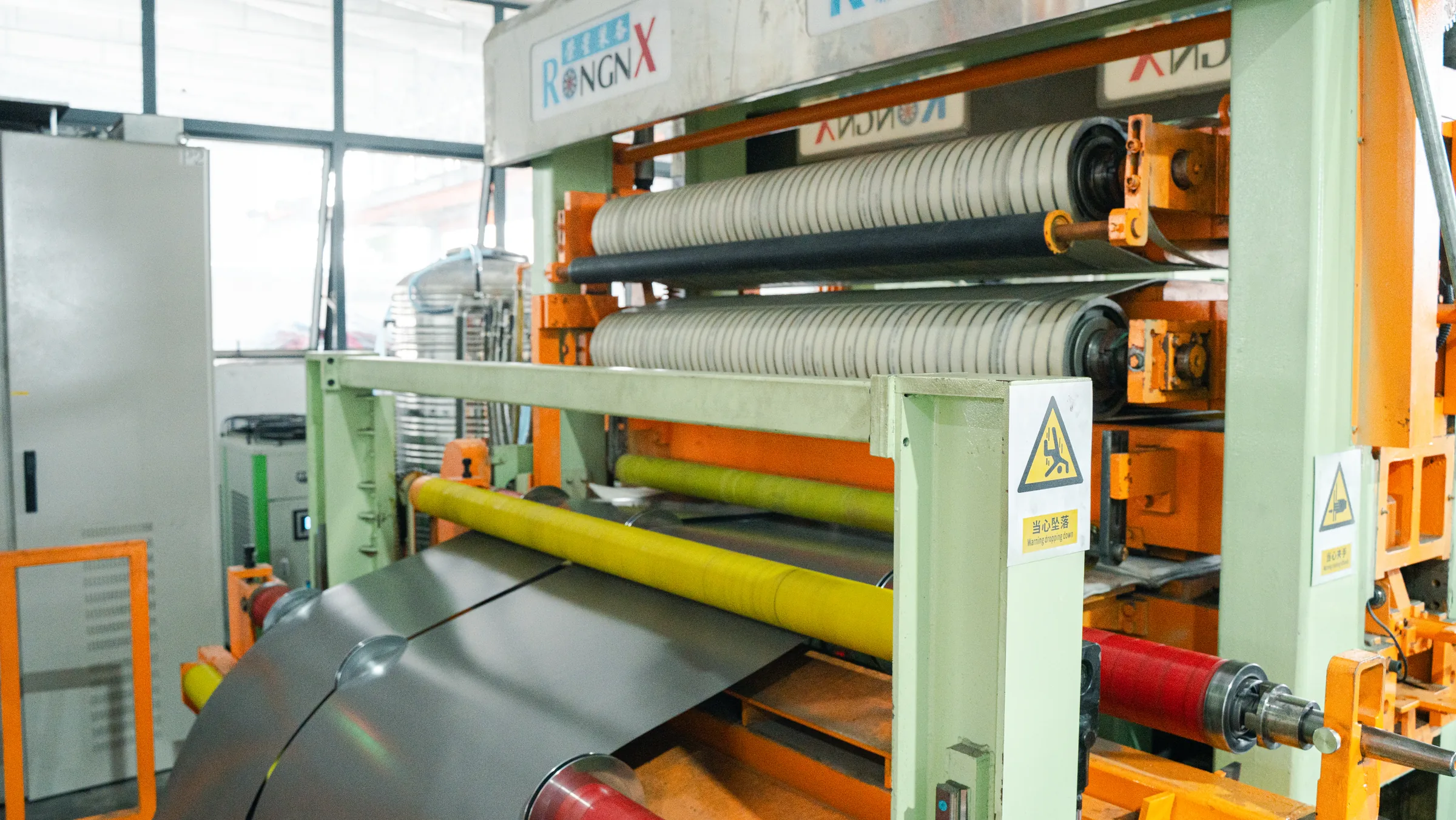
Contact rolls, guides, loop tables, separators, pads, cleanliness, and protective films may need different treatment for stainless, coated, and aluminum coil.
Tension, separation, and recoiling
The selected tension method, separator arrangement, winding torque, coil build, inner diameter, outer diameter, and unloading method must support the finished-coil requirement.
Tooling care and maintenance
Knife inspection, sharpening criteria, spacer cleanliness, shaft runout, bearing condition, lubrication, and setup records help control repeatability over time.